About Native Bees
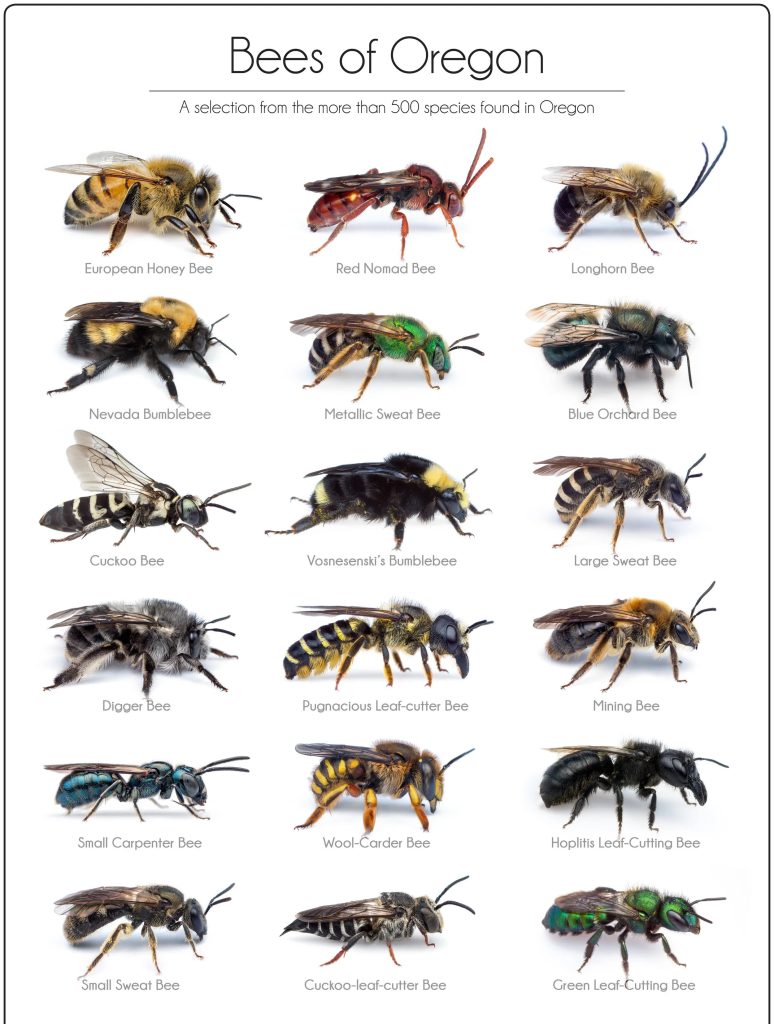
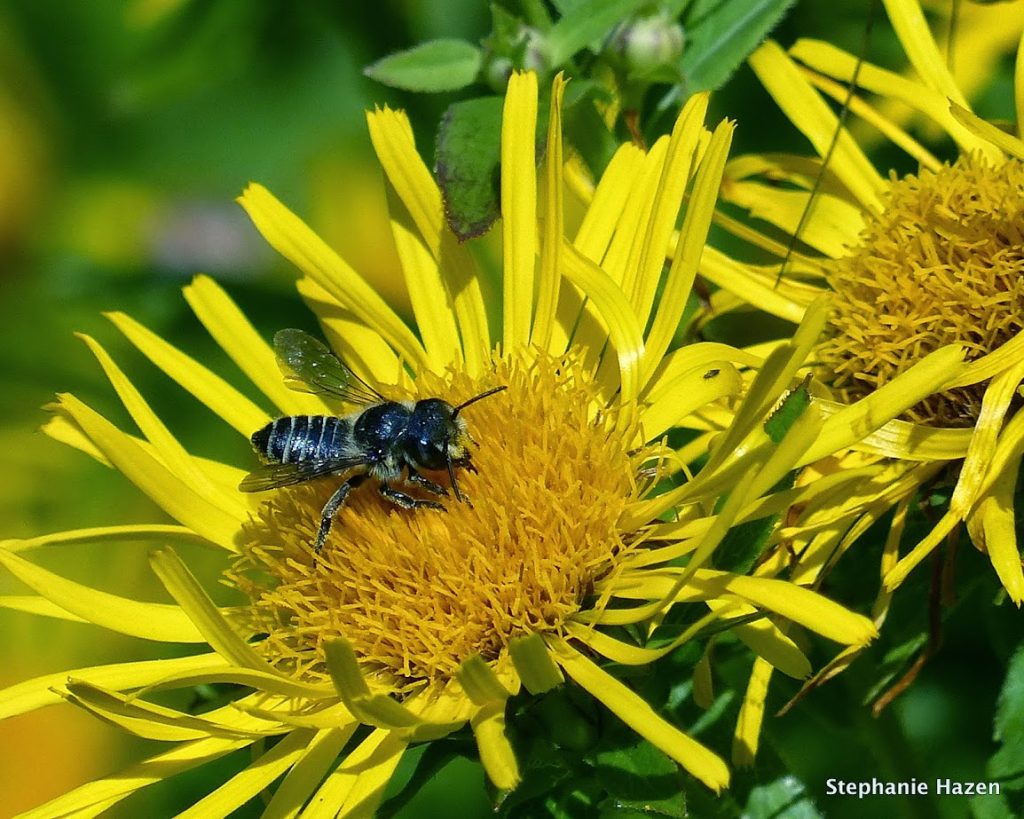
There are about 4,000 species of native bees in the United States and around 900 in Oregon. This is in addition to the European honey bee, which is not a native species and was brought to North America in the 1600s for honey and wax. While honey bees are helpful, native bees are often more efficient pollinators, and it’s important to encourage them in your yard to support local biodiversity.
Why It’s Important to Help Bees
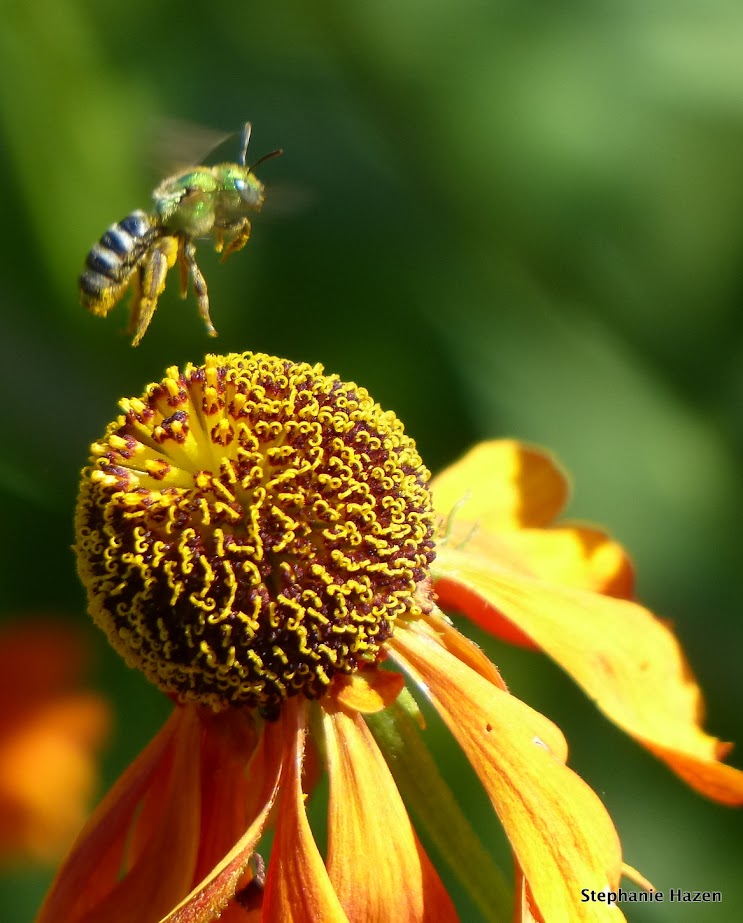
Do you enjoy tomatoes, blueberries, squash, or chocolate? Then thank a pollinator! About one in three bites of food we eat depends on insect pollination. Pollinators also help nearly 90% of wild flowering plants reproduce and thrive. In addition, they support local food webs by serving as an important food source for other species, such as birds and bats. By increasing pollinator habitat in your yard, you can boost fruit and vegetable production and support healthy ecosystems for both wild plants and agriculture. While pollinators face declines from habitat loss, pesticides, and disease, you can make a difference right at home or in your community.

How You Can Make a Difference
The best way to support native bees is to provide food, water, and shelter, and implement simple practices and projects at home. Learn more about how to provide these items below.
Food
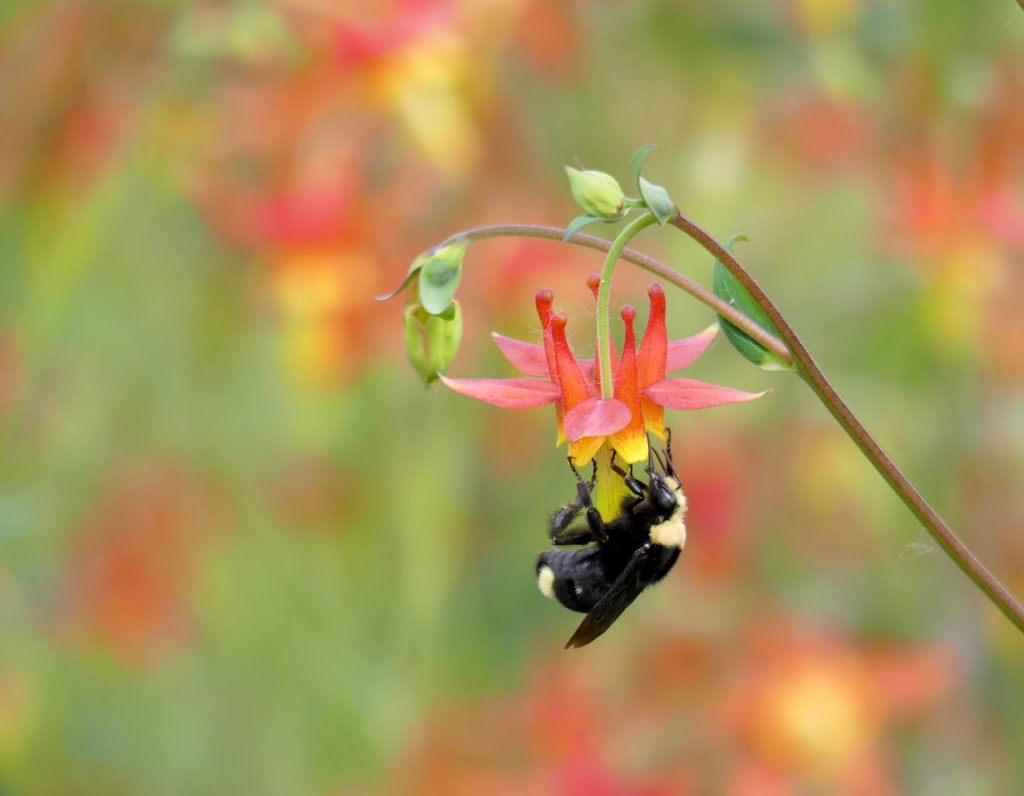
Bees need pollen (protein) and nectar (sugar) to eat and feed their young. Tips to support food sources for bees include:
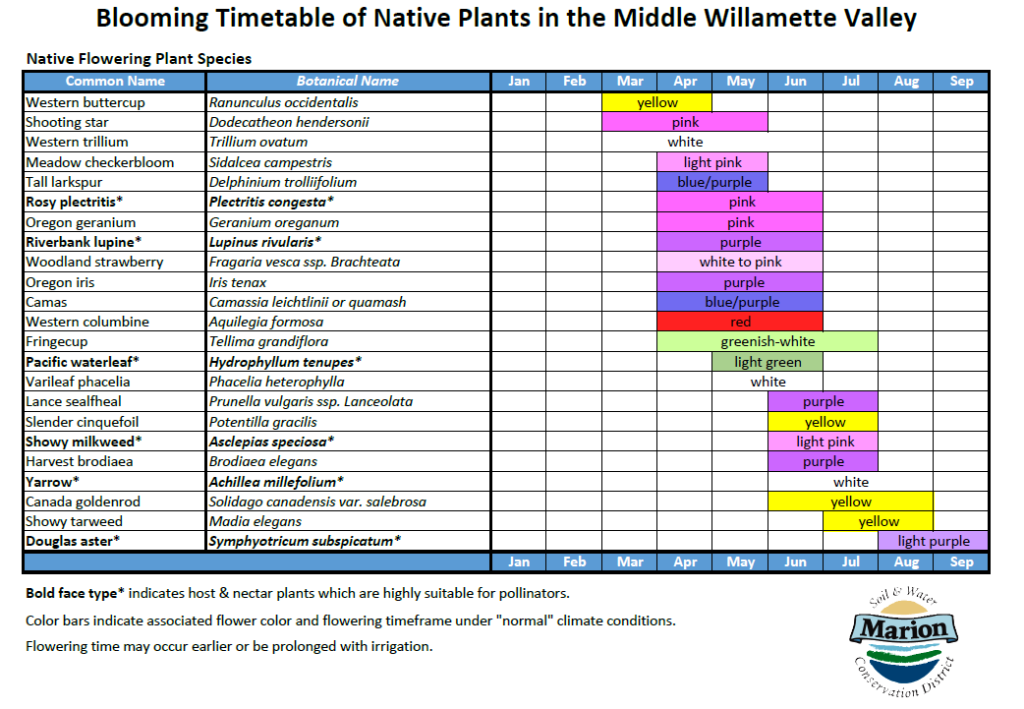
- Plant a variety of native flowering plants that bloom from early spring to late fall.
- Plant flowers in wide clumps and layers to make foraging easier.
- Avoid double-petaled or hybrid plants without visible pistils and stems, as they don’t offer pollen or nectar (e.g., many modern roses and petunias).
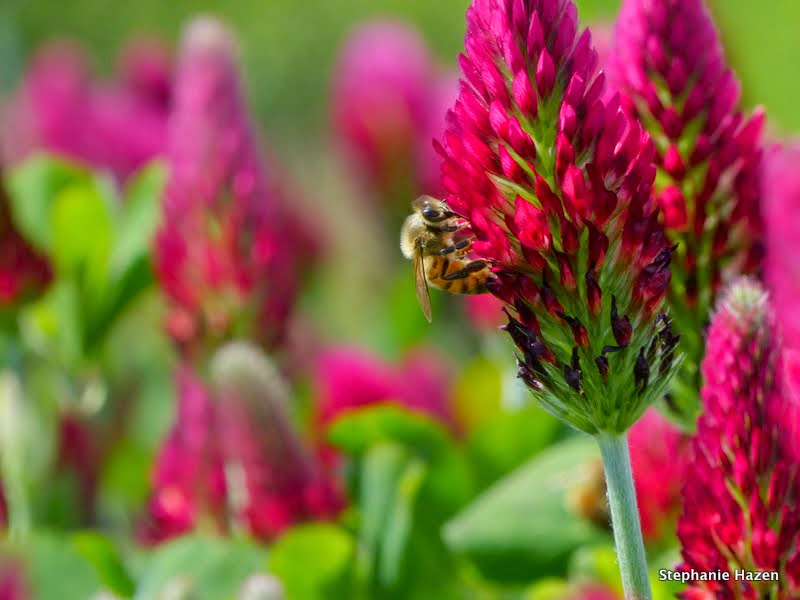
- Include a variety of flower shapes, colors, and types to support many pollinator species. Bees prefer blue, purple, white, and yellow flowers, while hummingbirds and butterflies prefer red, orange, pink, and yellow.
- Buy plants from nurseries that don’t use neonicotinoids. Avoid plants labeled ‘protected against insect pests,’ as this usually means they’ve been treated with systemic insecticides. Here’s a list of neonic-free nurseries to shop from.
Native Trees and Shrubs to Support Bees:
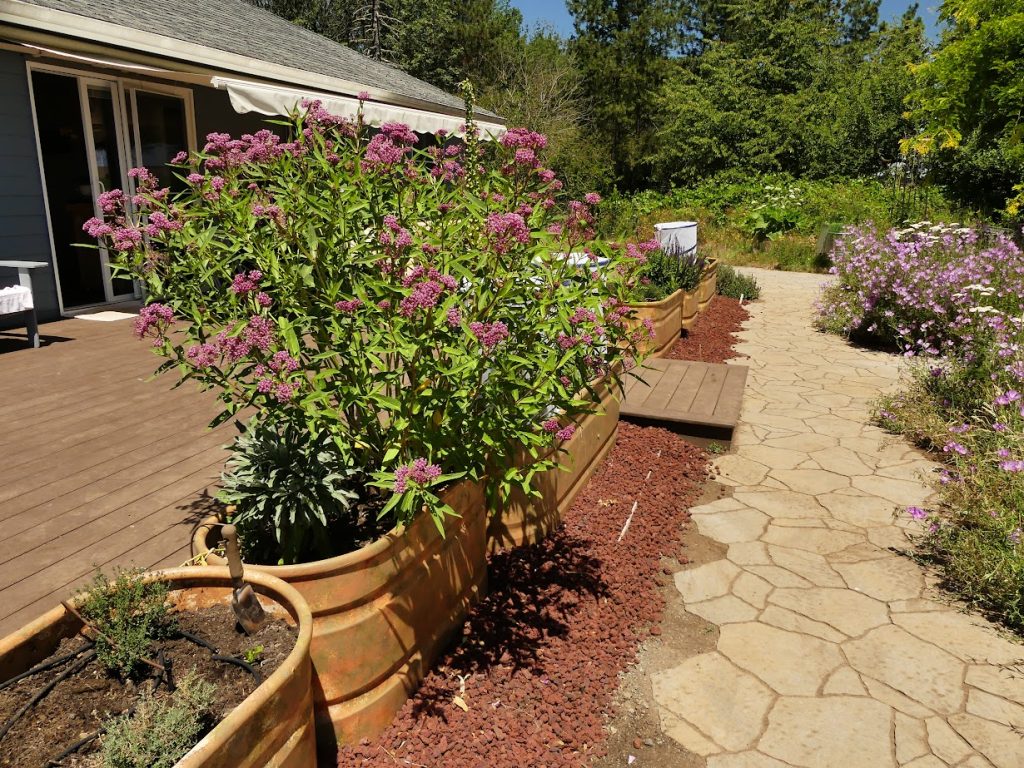
Native Flowers that Support Bees
Above are some of many flowering native plants that can help support pollinators. For a deeper dive on which plants attract specific bee species, see: Native Bee Interactions with Plants | OSU Extension Service.

Water
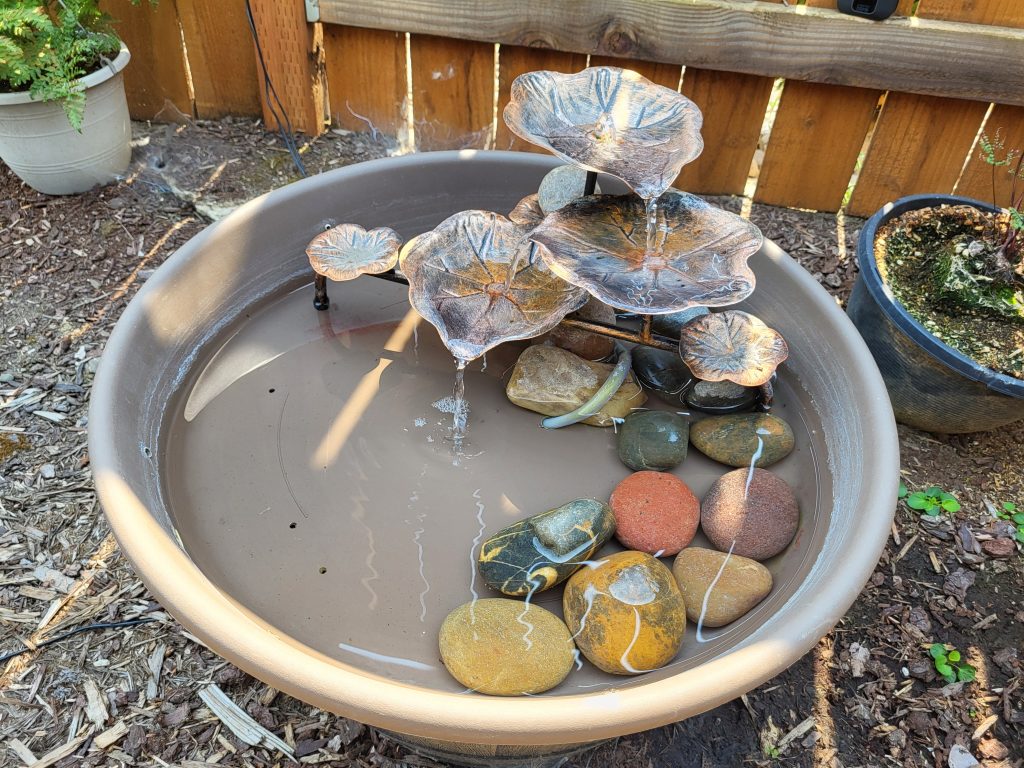
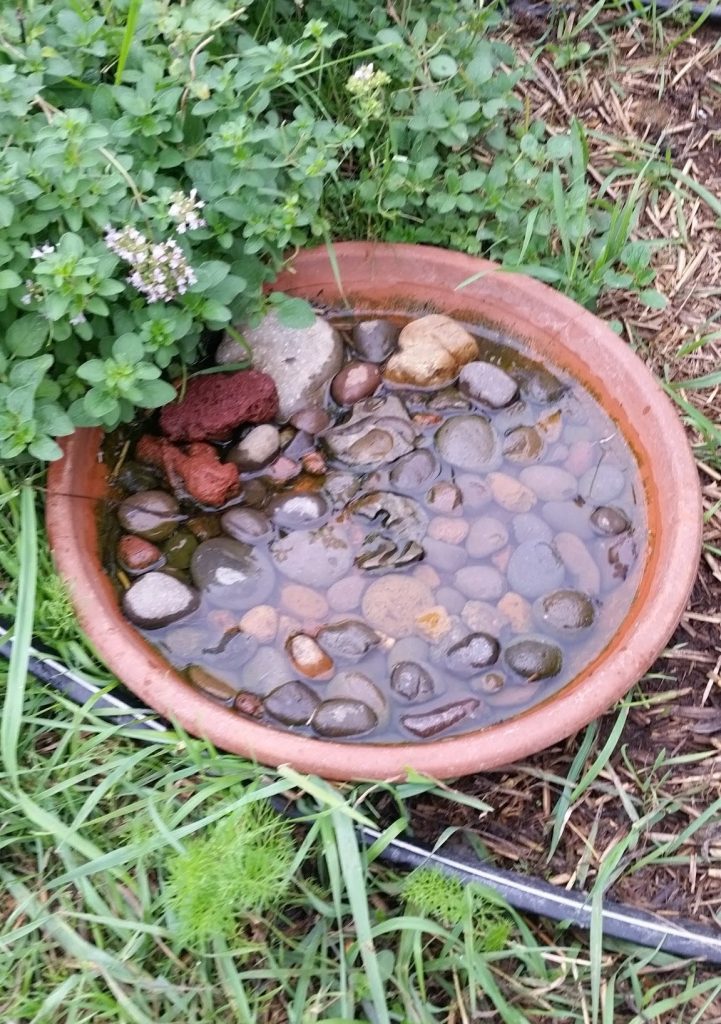
Native bees need water for drinking and nest building. They usually get moisture from flower nectar, morning dew, and damp soil, but during hot summer months, natural sources can be scarce. You can help by watering your plants or providing a shallow dish of water with small stones or pebbles, giving bees a safe place to drink. Adding sand or mud to the water can also provide minerals that support pollinator health.
Cover/Shelter
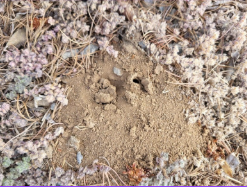
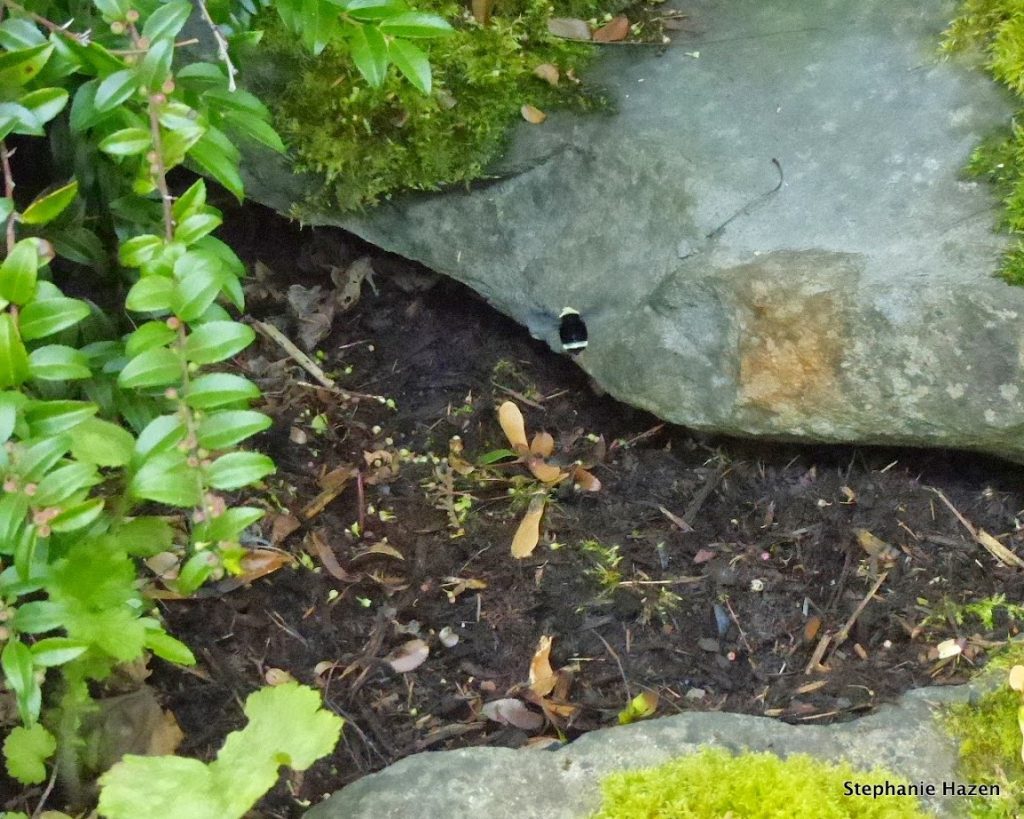
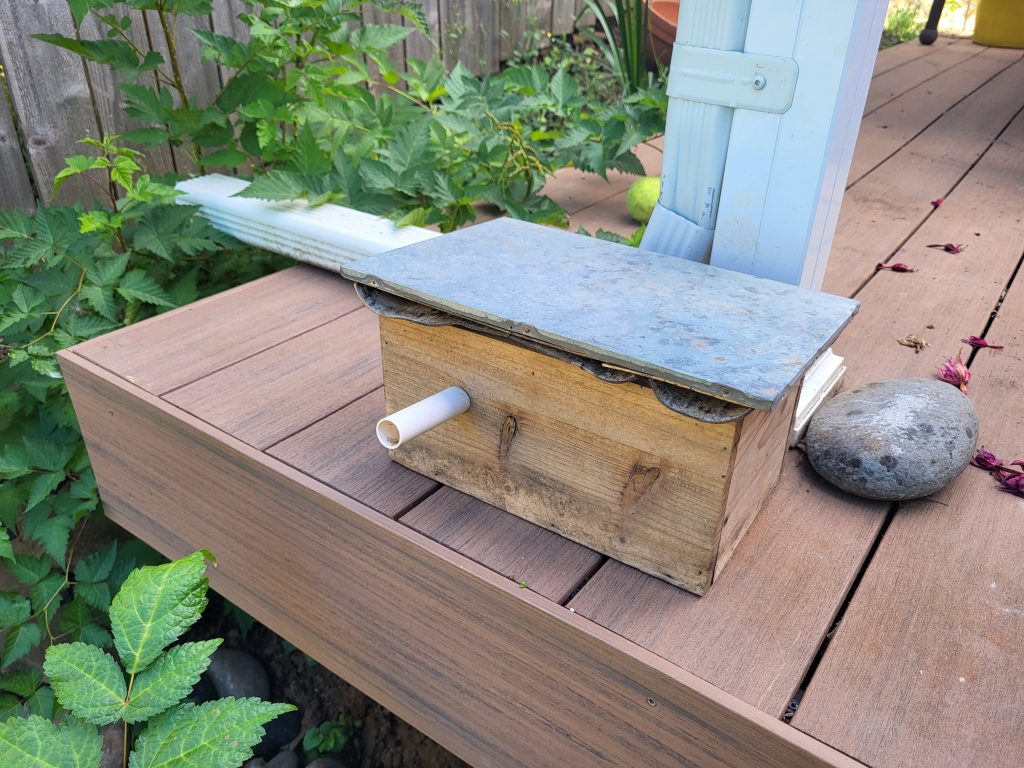
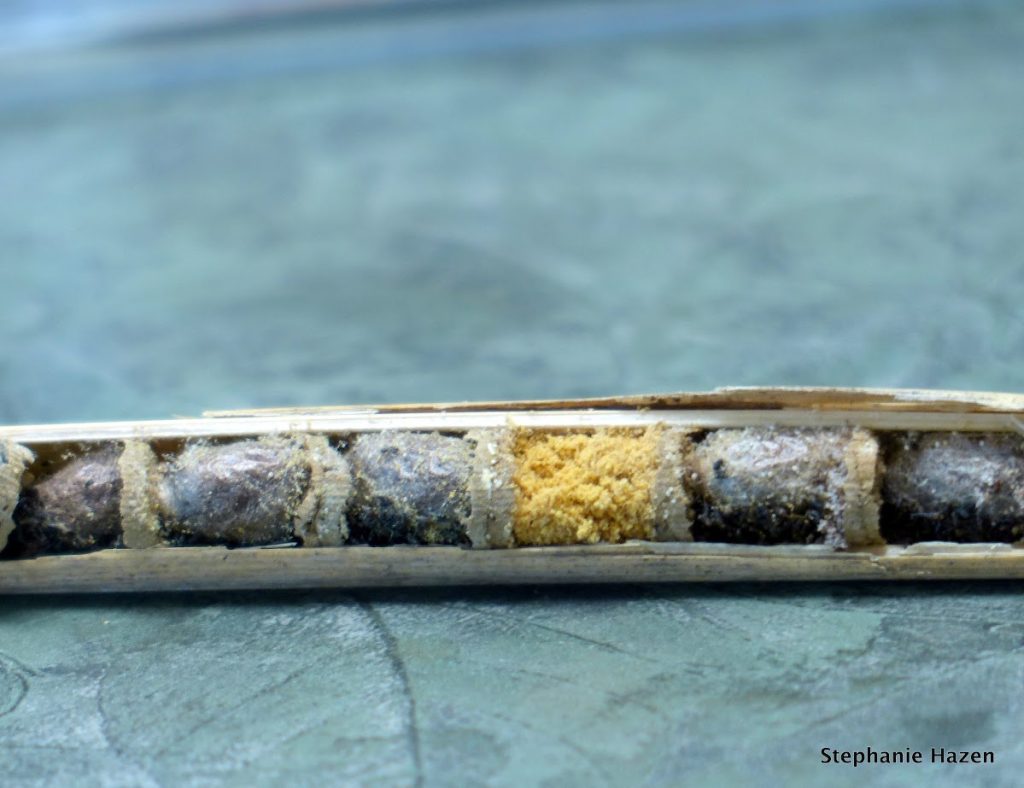
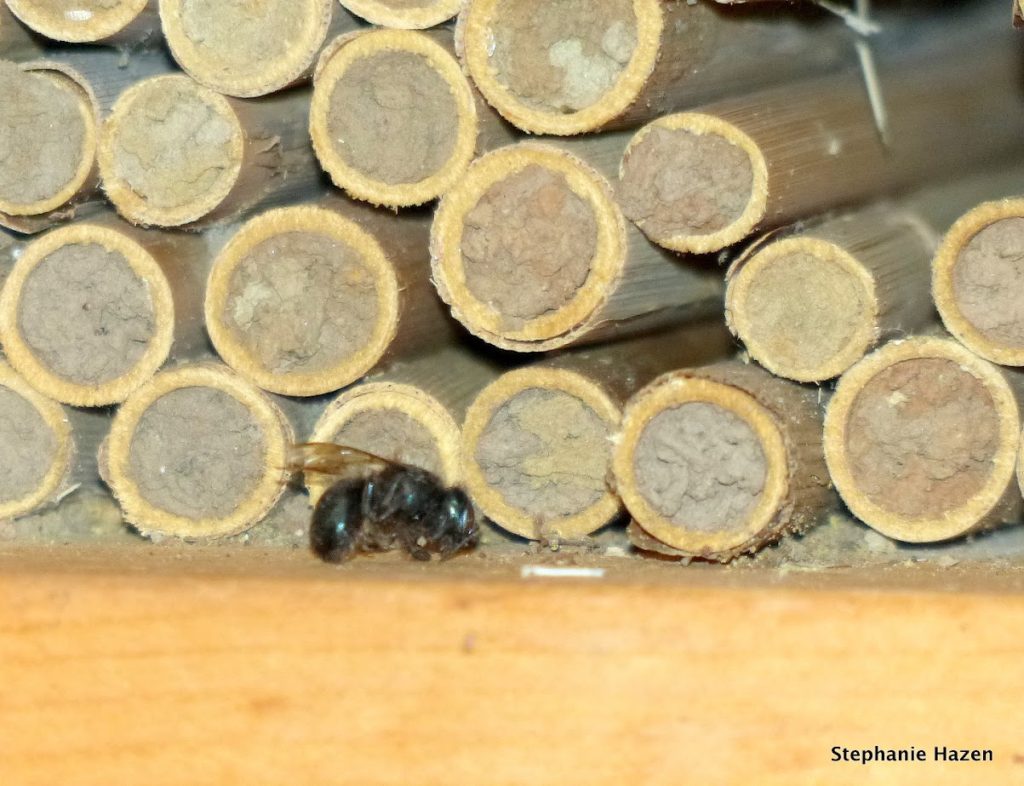
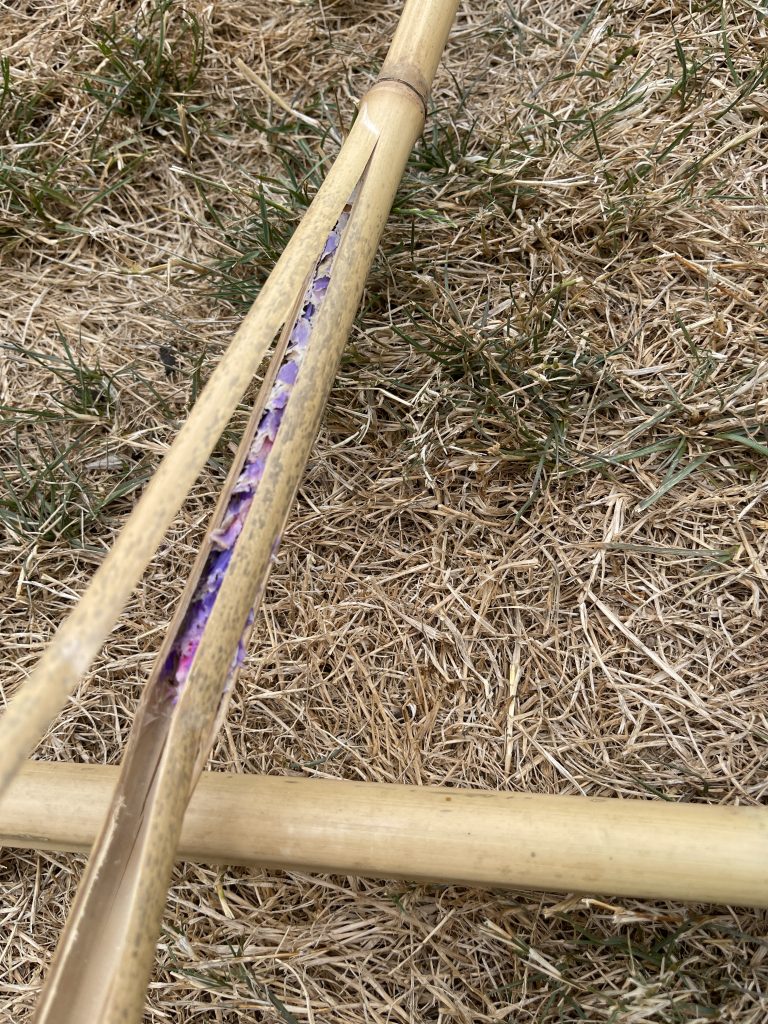
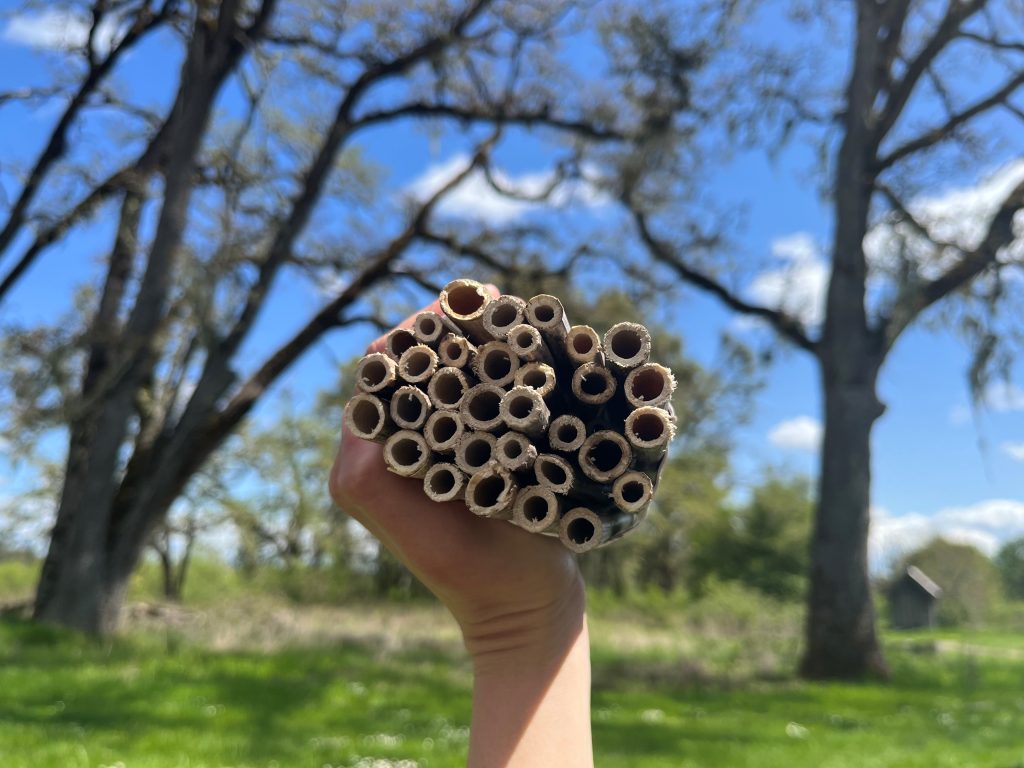
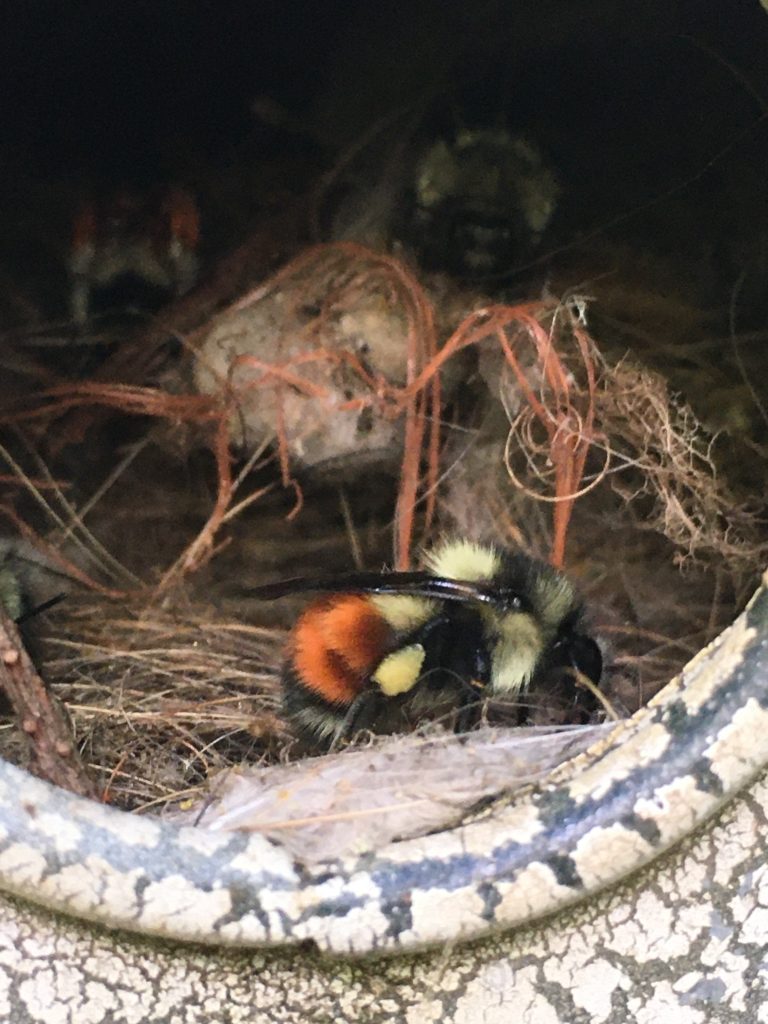
About 70% of native bees nest in the ground, often in sunny areas with exposed soil or near rocks. The remaining 30% nest in cavities in logs, hollow stems, rock piles, or leaf litter. Supporting the full life cycle of bees is key to successfully increasing native bee populations, since they spend most of the year hidden in their nests. Learn more from the Xerces Society: Nesting & Overwintering Habitat | Xerces Society

Practices
Supporting native bees is possible with simple practices and efforts. Some ideas include:
- Avoid pesticides, especially during bloom. Only use as a last resort and consider alternatives.
- Learn more about alternatives to chemicals for controlling pests at: OSU Solve Pest Problems
- Mow less frequently: Leaving areas of your lawn unmowed, or reducing mowing frequency—especially during May and June—allows flowers like clover and dandelions to bloom. Studies show this attracts more bees and provides important sources of pollen and nectar. If you want to prevent these plants from spreading, be sure to mow them before they go to seed.
- Learn more: USDA Research on Lawn Mowing and Bees
- Create a Pollinator Corridor: Work with neighbors to connect yards and gardens. This gives bees more places to find food and shelter. Educating others spreads awareness and increases the impact.
- For resources or Little Habitat Project booklets, contact kassi.roosth@marionswcd.net
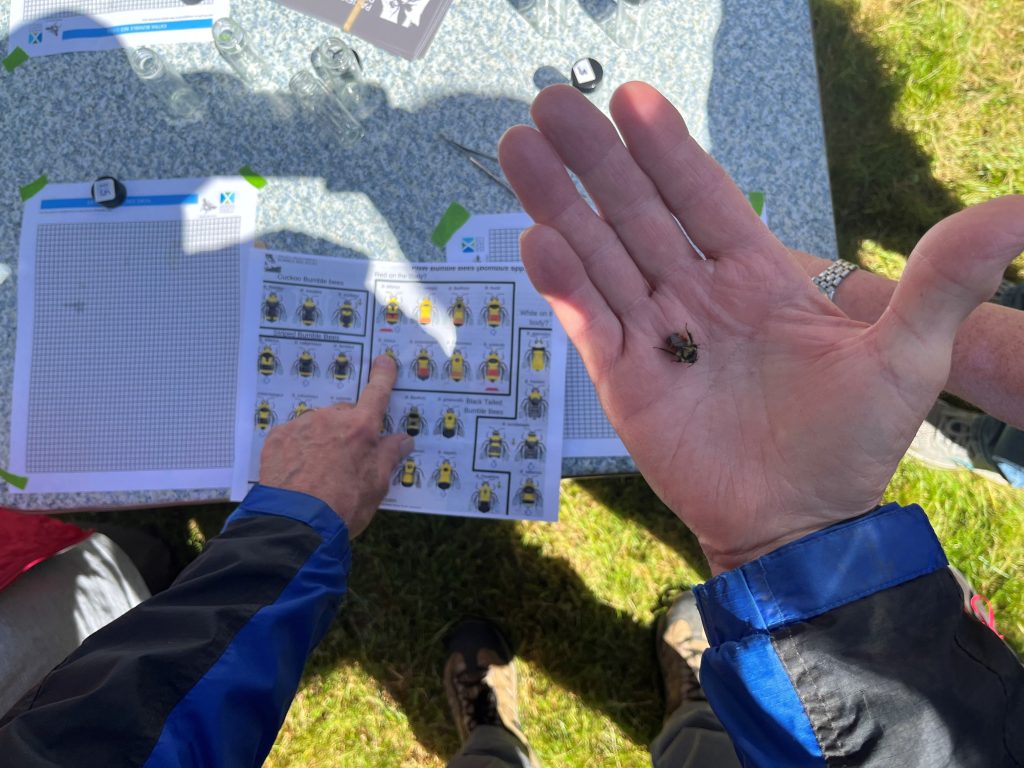
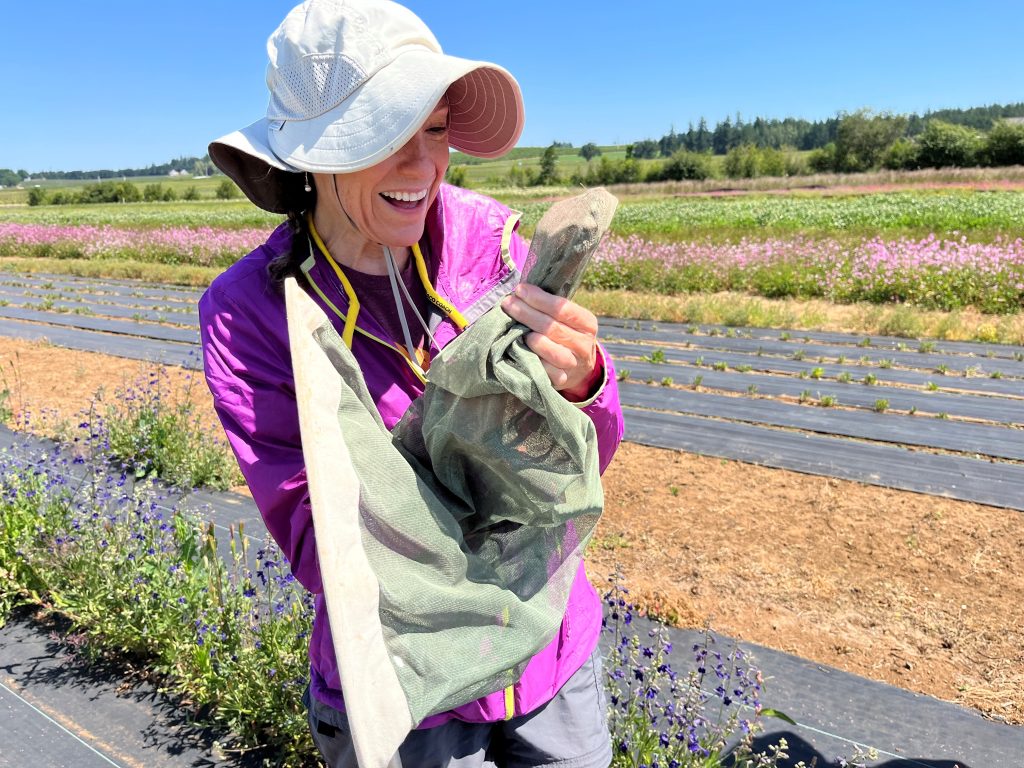
- Contribute to Community Science: Reporting observations of native bees to platforms like iNaturalist or Bumble Bee Watch helps scientists track populations, monitor habitats, and support conservation efforts.

Pollinator-Friendly Projects
Click on the links below to learn more about how to implement a pollinator-friendly project.
- Meadowscape
- Ecolawn (yarrow, clover, self-heal)
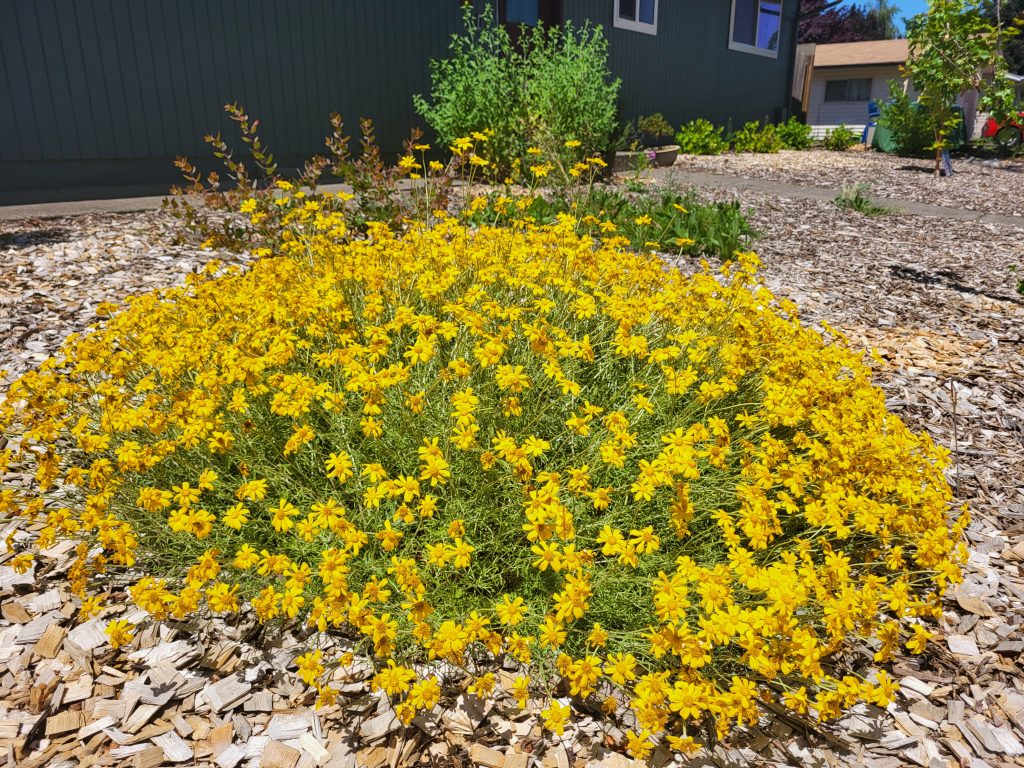
- Pollinator Garden
- Hedgerow
- Parking Strip
- Fruiting Trees and Blueberries, and many other food crops that rely on insect pollination
Need technical assistance with project planning? Contact Kristen McAlpine at kristen.mcalpine@marionswcd.net
The Little Habitat Project
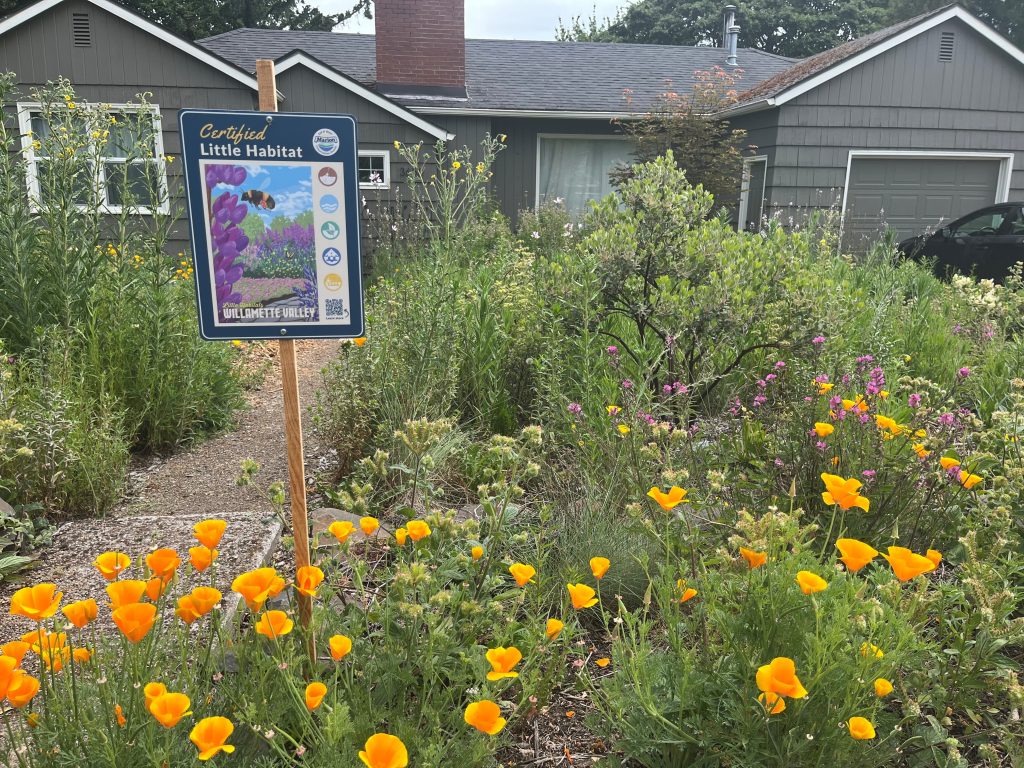
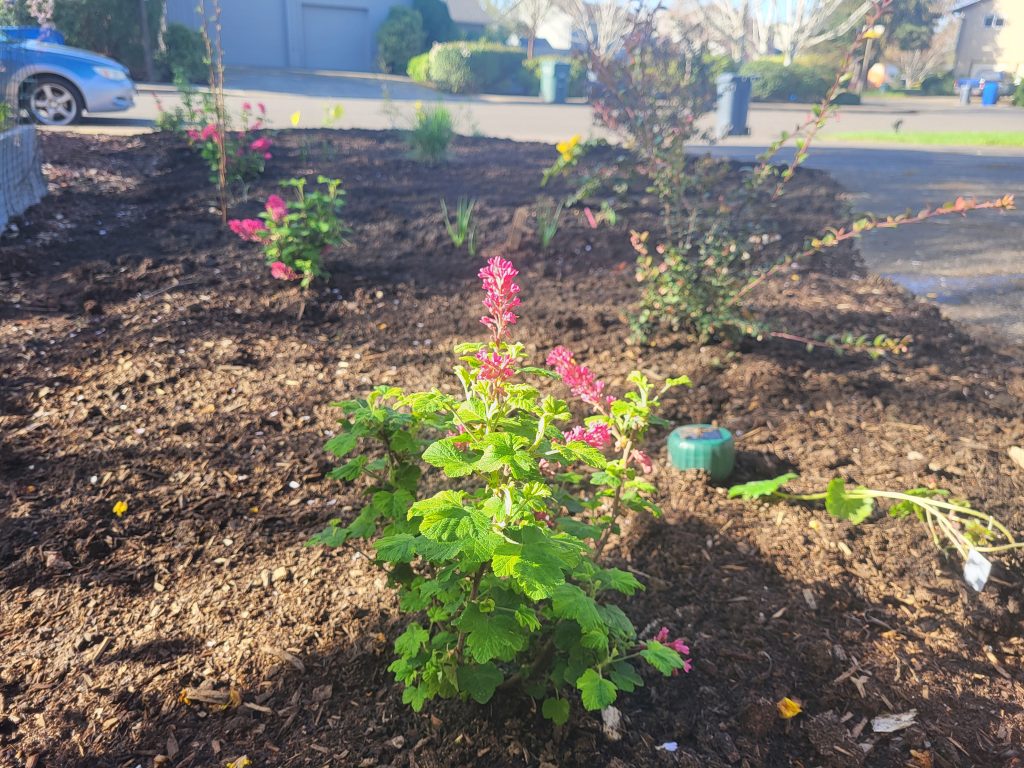
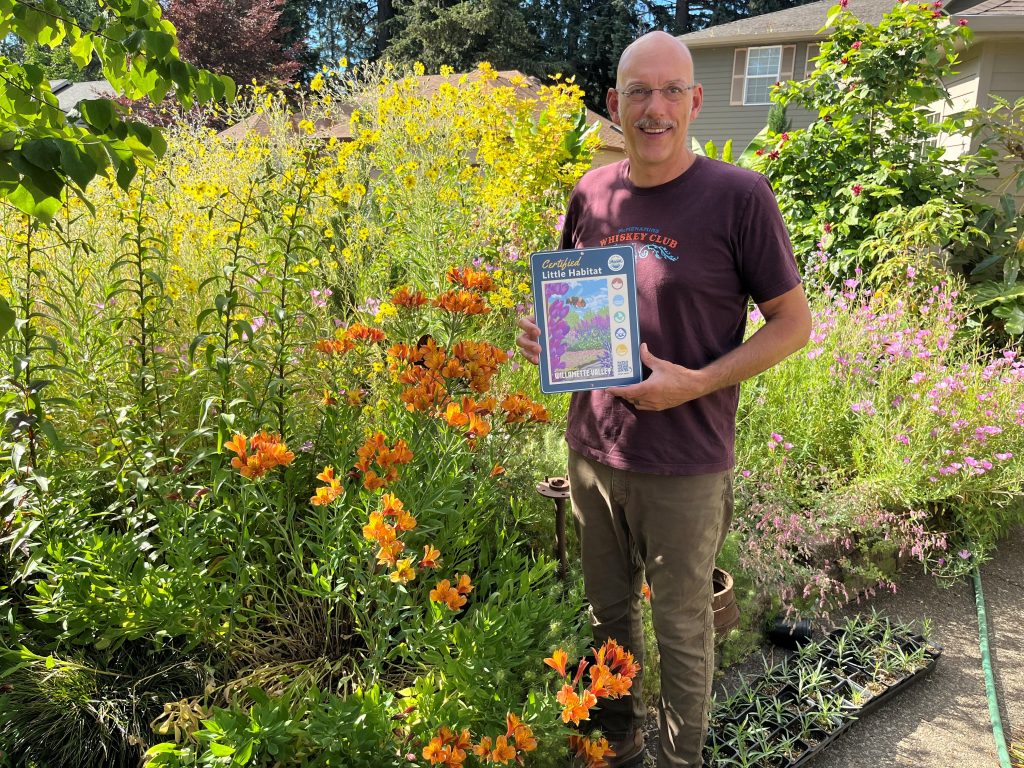
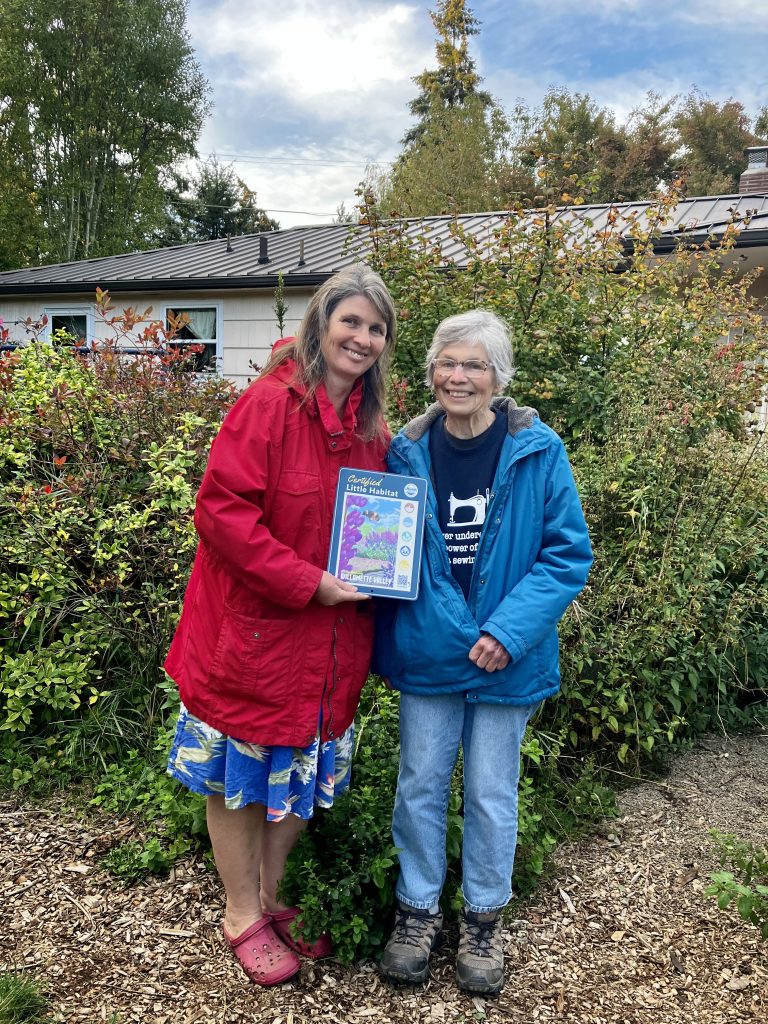
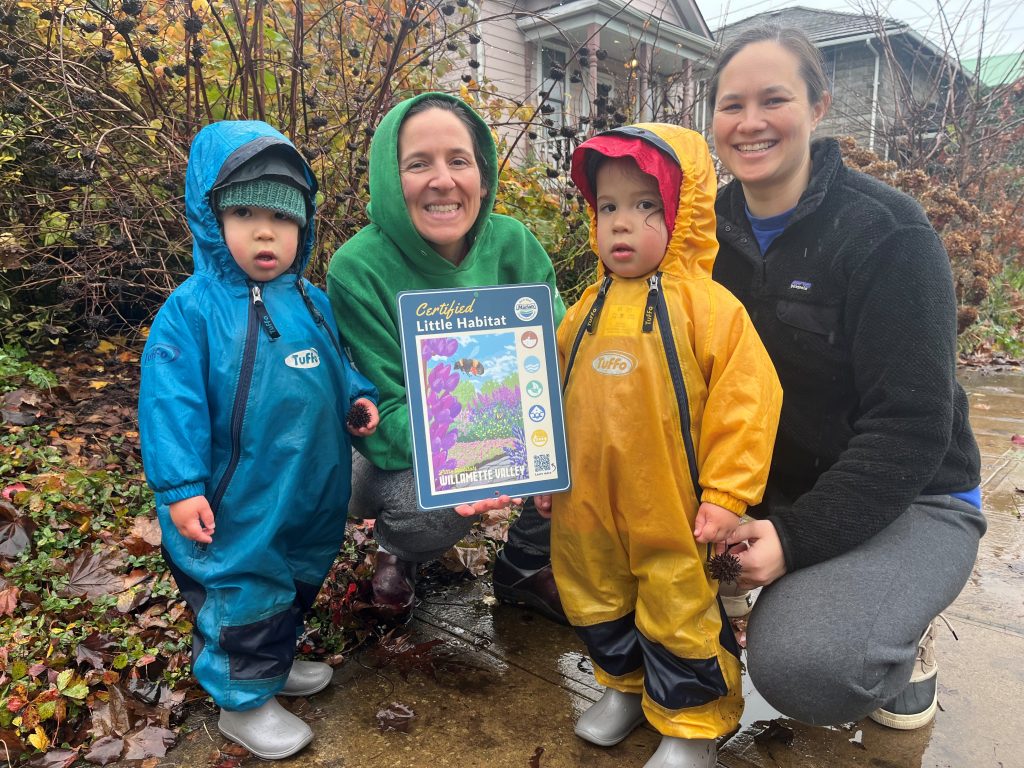
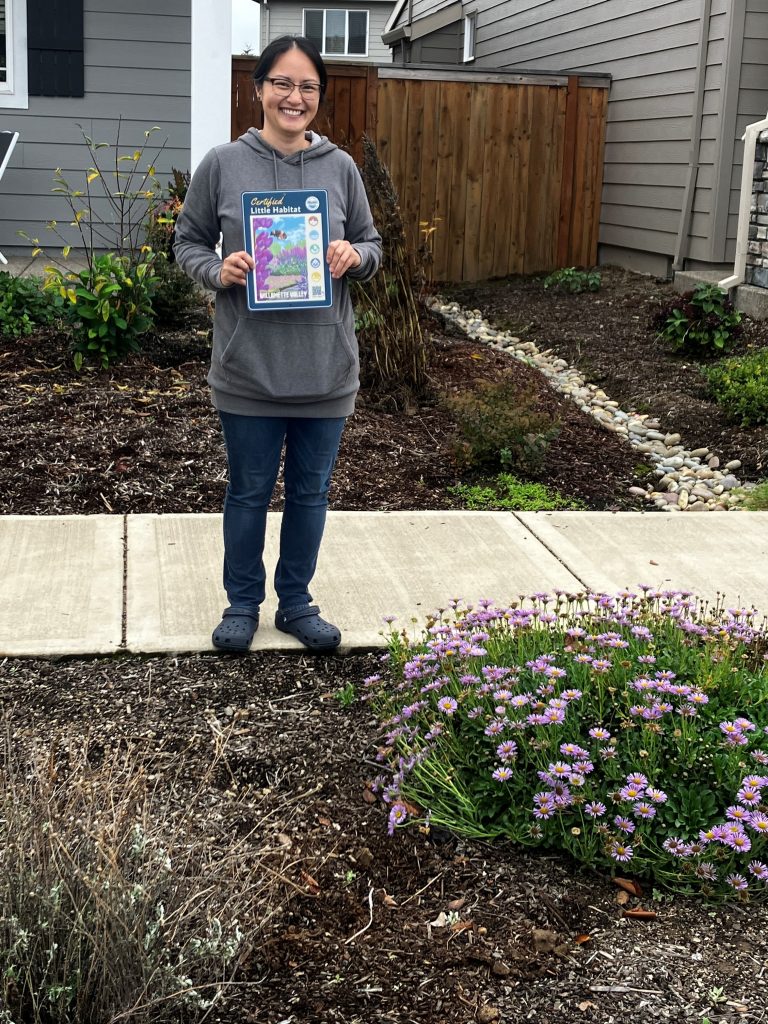
Interested in certifying your yard or community space as a designated wildlife habitat? Enroll today in the Little Habitat Project. You will receive free one-on-one technical assistance and resources to support your project goals to protect soil, water, and local wildlife species including pollinators.
Check out these blog posts contributed by program participants to inspire what you can do right at home.
Literature
- Bee Basics Guide: An Introduction of Our Native Bees
- Attracting Native Pollinators – The Xerces Society
- Real Gardens Grow Natives – Eileen M Stark
- Bringing Nature Home – Douglas W. Tallamy

About the Author
Please feel free to reach out with any questions or collaboration opportunities related to environmental education. I’m also happy to support you in creating wildlife habitat through the Little Habitat Project.