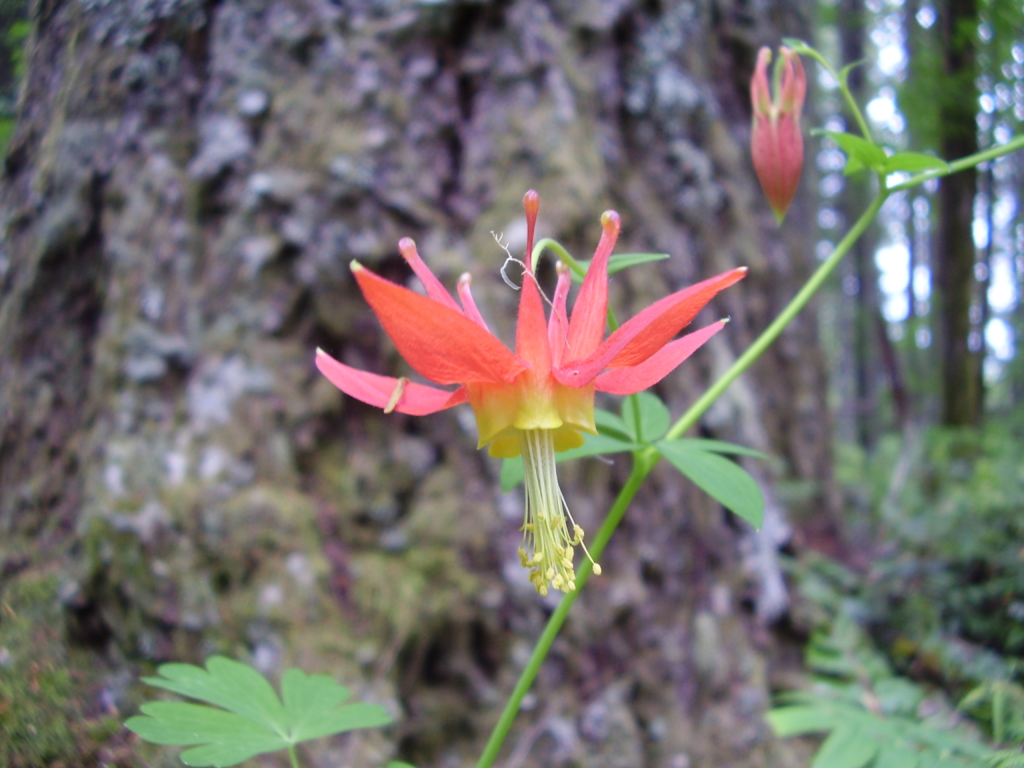
For the second year, Marion Soil and Water Conservation District is offering a Little Habitat Kit, and this year’s focus is on community sites. Over the summer, applications were open for community sites of any sort to apply for a kit of 30 native plants. This year’s kit includes three each of ten species that are commonly found in Willamette Valley oak and prairie habitats. These habitats covered approximately 2 million acres of our area prior to major land-use changes brought about by colonization. However, it is estimated that only 10% of oak habitat and 2% of prairie habitat remain. The plants were selected to meet multiple requirements of the Little Habitat Project certification at level I, Acorn. They are all suited to full-sun to part-sun locations, with some tolerating more shade. Most plants thrive in a dry to moist locations. Learn more about each species on our Plant Database.
What is in the kit
| Plant | Height | Sun/shade requirement | Soil moisture requirement |
| Nodding onion | 8 – 18 in | Full sun to full shade | Dry to moist |
| Oceanspray | up to 15 ft | Full sun to full shade | Dry to moist |
| Creeping Oregon grape | 1 – 3 ft | Full sun to full shade | Dry to moist |
| Mountain strawberry | 2 – 4 in | Full sun to full shade | Dry to moist |
| Self-heal | 4 – 20 in | Full sun to full shade | Dry to moist |
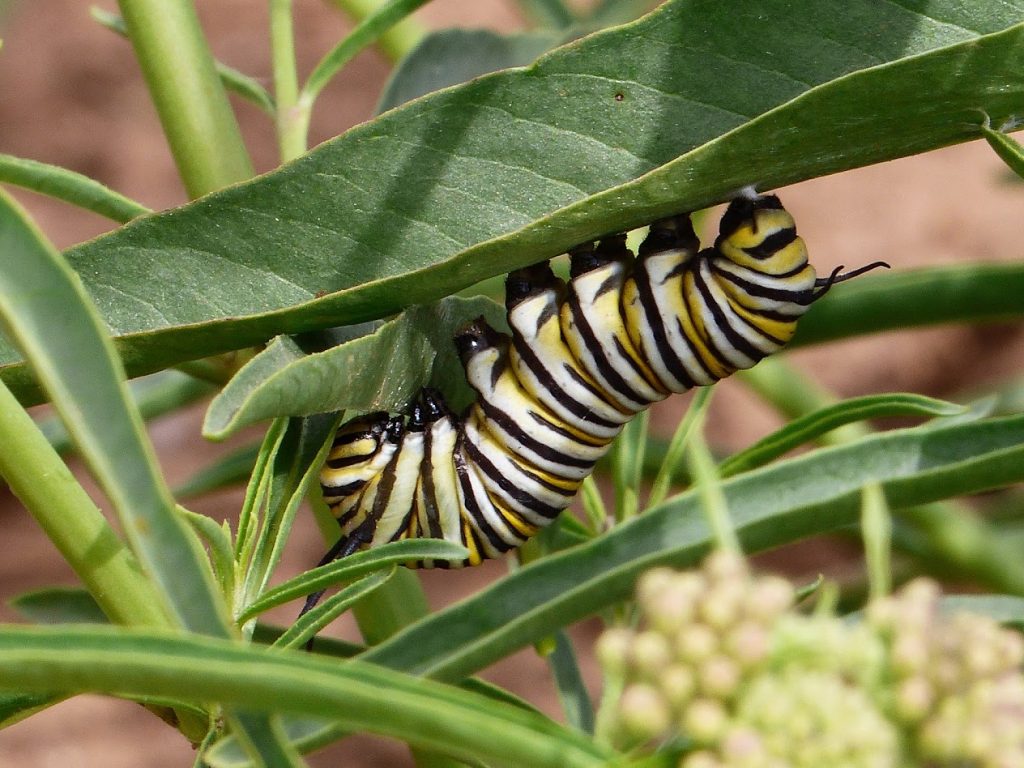
| Showy milkweed | 2 – 3 ft | Full sun to part shade | Dry to moist |
| Columbia lily | 2 – 6 ft | Full sun to part shade | Dry to moist |
| Western columbine | 1 – 3 ft | Full sun to part shade | Dry to moist |
| Prairie junegrass | 10 – 24 in | Full sun | Dry |
| Thimbleberry | 3 – 6 ft | Part shade to full shade | Moist |
Planting your Little Habitat Kit
We advise planting as soon as possible after receiving the plants. Mid-fall through early spring is the best time to plant, as it gives the plants time to establish a root system in their new location prior to the onset of the dry season. Getting them in the ground by the end of November is ideal.
Choose a location with at least five hours of sun each day in the summer. Remove existing weeds, grass, and dense vegetation in the planting area.
All plants will be in small pots except for the Columbia lilies, which will be loose bulbs. Plant the bulbs 4 to 6 inches deep with the root end pointed down in well-drained soil. If your soil is heavy clay, it is recommended to amend it with mature compost at the time of planting. After back-filling the hole with soil, cover the planted area with an inch of wood chips, shredded leaves, or mature compost.
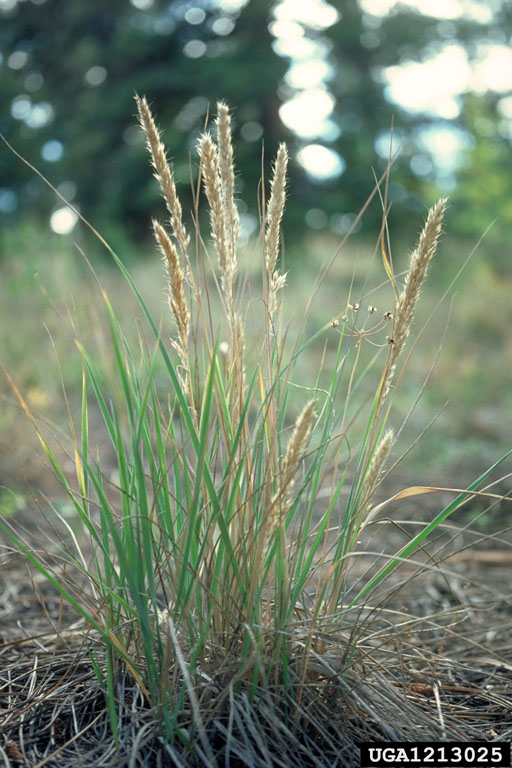
Photo credit: Dave Powell, USDA Forest Service (retired), bugwood.org
For containerized plants:
- Dig hole twice as wide and as deep as the pot that your plant came in. If the soil is heavy clay, amend with organic matter such as mature compost.
- Remove the plant from the container and loosen the roots. Position the plant in the hole with roots facing down. While holding the plant so the base of the stem is level with the soil surface, back-fill the hole with the removed soil. Water the plant, even if the soil is wet. Watering helps to settle the soil and minimize the chance of an air pocket in the planting hole, which can cause the plant to die.
- Apply wood chips, shredded leaves, or mature compost as a mulch around the base of the plant out to about 6 – 12 inches to help with weed suppression and moisture retention.
Maintenance of your Little Habitat Kit
Plants will need to be watered through their first dry season. It is recommended to give them a long, slow watering every one to two weeks, or as needed, from when the rains cease in the spring until regular rains return again in the fall.
Keep plants clear of weeds and grass, as weeds will compete for water and nutrients and impact the plants’ growth. It is recommended to keep the plants mulched with wood chips, shredded leaves, or compost out to a diameter of 6 – 12 inches.
How do I certify or enroll my community site in the Little Habitat Project?
To certify a space in the Little Habitat Project, it must first be enrolled. If your site is not yet enrolled, please submit the enrollment form. If you believe you are ready to certify at time of enrollment, please indicate that on your form. Upon enrollment, Marion SWCD staff will reach out to arrange a site visit or phone call, if desired, to discuss your goals and questions.
If your site is already enrolled and you are ready to certify, please use the link to the certification form that was provided by Marion SWCD staff at the time of your enrollment. If you have trouble locating the link, please email kristen.mcalpine@marionswcd.net.
About the Author