
Giant Sequoia
Sequoiadendron giganteum
Plant Description
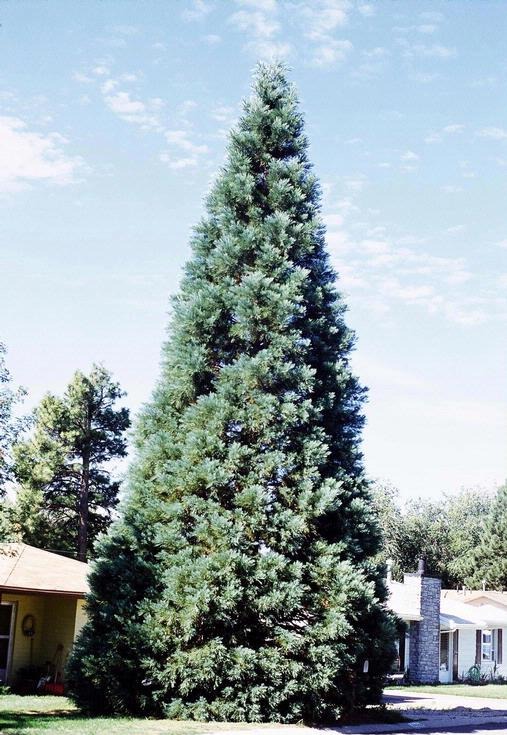
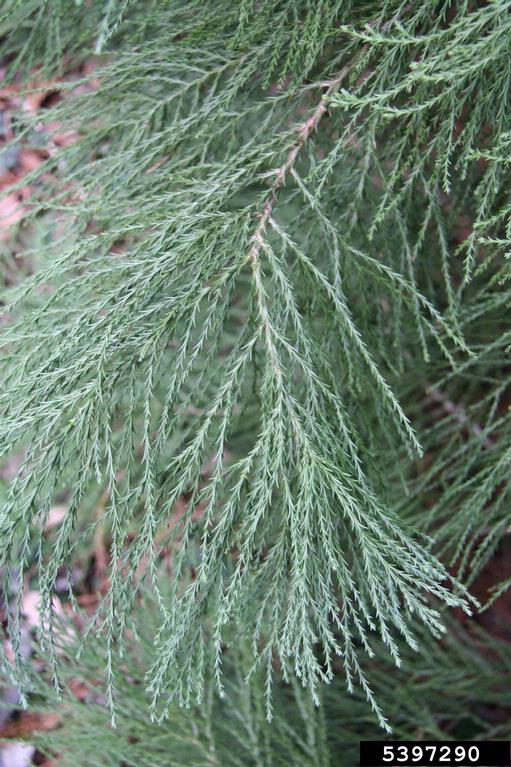
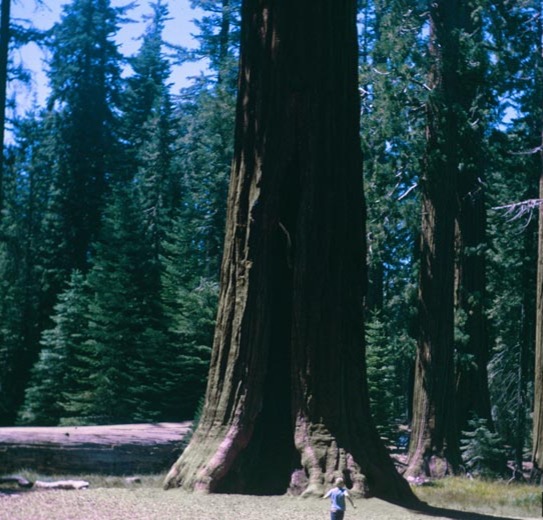
Giant sequoia is the world’s most massive tree species, native to the western slopes of California’s Sierra Nevada. While not native to Oregon, it has been grown in the Willamette Valley for over a century. These long-lived, drought tolerant conifers can exceed 250 feet in height and 25 feet in diameter with cinnamon-red, deeply furrowed bark that is resistant to fire and decay. Their small, scale-like leaves and woody cones are resilient in fire-adapted ecosystems. Ecologically, giant sequoias provide habitat for birds, mammals, and insects, while playing a key role in carbon storage and forest resilience. In the Willamette Valley they are a great option for windbreaks and pesticide drift hedgerows due to their low maintenance needs, drought tolerance, dense evergreen foliage, and deep roots. They are also excellent carbon sinks, sequestering massive amounts of carbon due to their large size, rapid growth, and longevity.
Plant Details
| Life Forms | |
|---|---|
| Habitats | |
| Soil and Moisture Conditions | |
| Special Uses | |
| Shade Preference | |
| Mature Height | Up to 250' |