Yellow Flag Iris
Iris pseudacorus
Plant Description
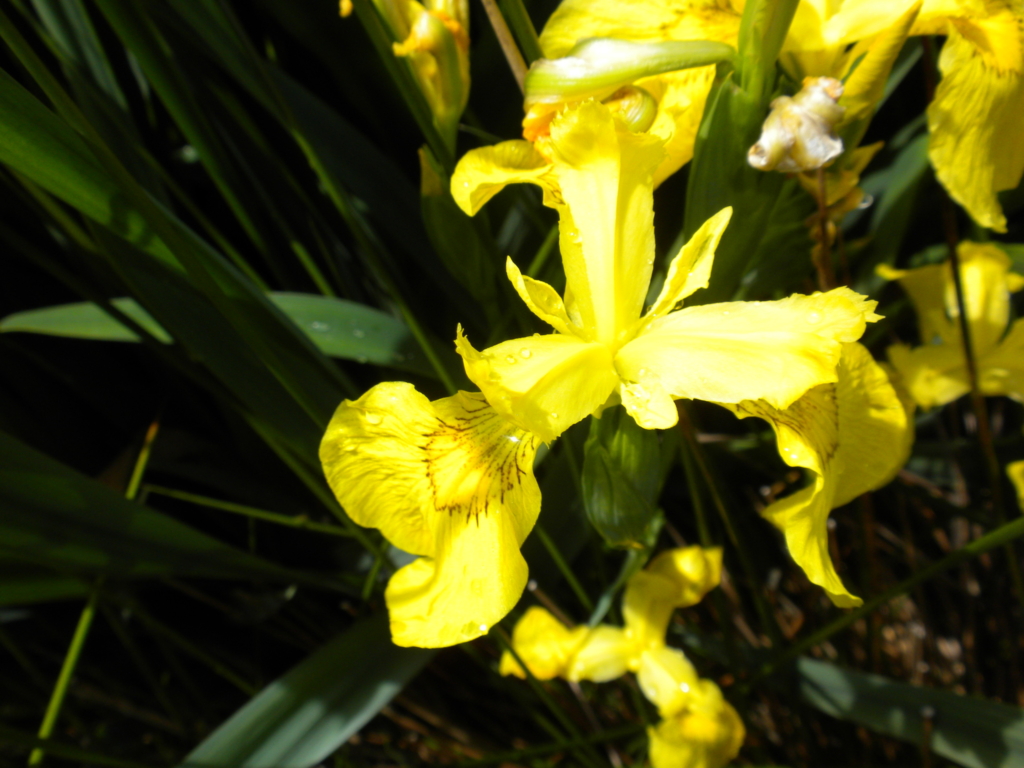
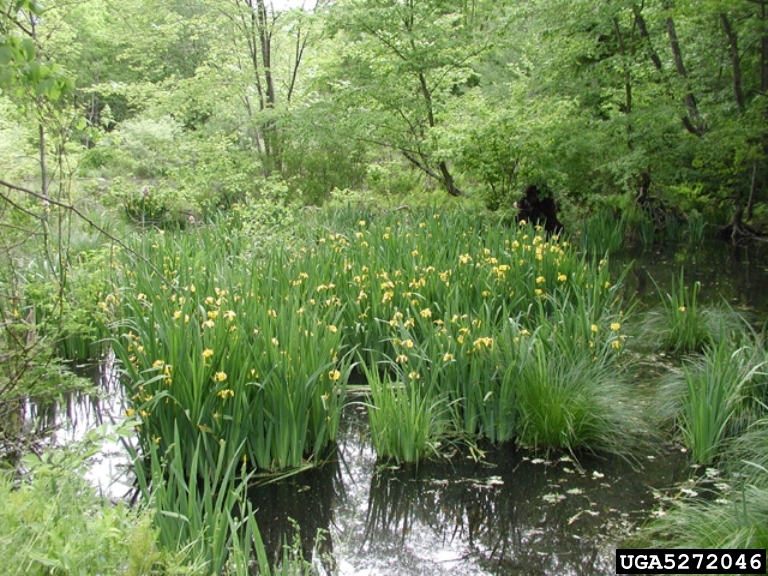
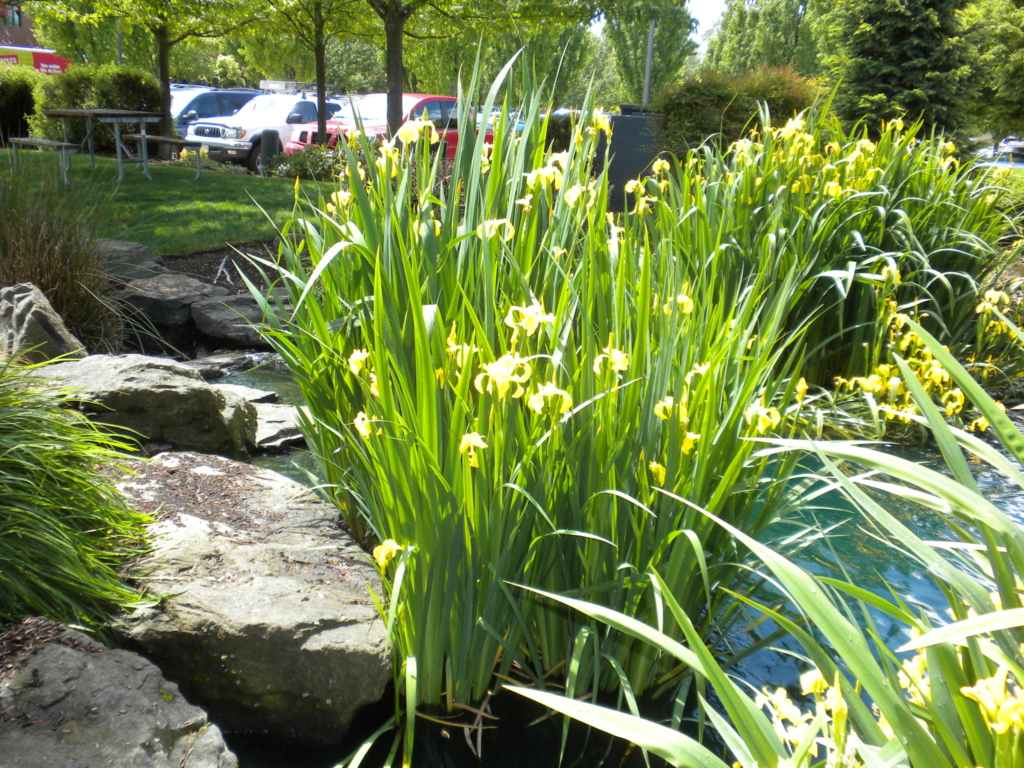
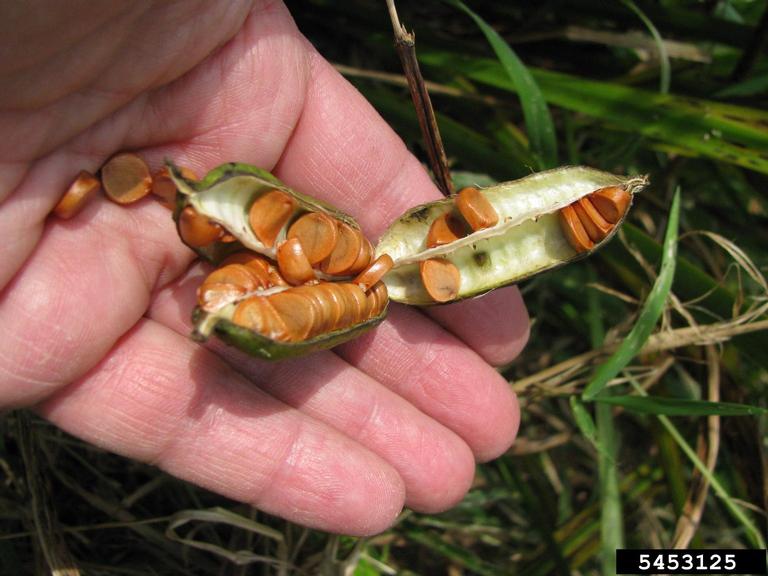
Yellow flag iris is a tall, rhizomatous (spreading by roots) perennial native to Europe, western Asia, and North Africa that has become invasive in much of North America. It grows arounds ponds, in wetlands and ditches, and along shorelines, forming dense stands with sword-like leaves and showy yellow flowers that bloom in late spring. While visually striking, yellow flag iris displaces native wetland plants and significantly alters habitat and hydrology along streams and waterways. It spreads aggressively by rhizomes (roots) and seeds, which float downstream to start new infestations, or cling to ducks and other birds that carry them to new sites. The impenetrable iris stands clog channels and shorelines, impeding movement and destroying habitat for wildlife like turtles, frogs, birds, and mammals. It is toxic to wildlife and livestock and is illegal to sell or move in Oregon due to its ecological impacts on aquatic and riparian systems.
Plant Details
| Life Forms | |
|---|---|
| ODA Listing | |
| Soil and Moisture Conditions | |
| Suggested Actions | |
| Special Uses | |
| Shade Preference | |
| Mature Height | 3'-6' |
| Distribution | In Oregon, yellow flag iris is widely established west of the Cascade Range, particularly in the Willamette Valley, along the coast, and in low-elevation wetlands, ditches, and slow-moving waterways. It is less common but present in parts of central and eastern Oregon where suitable wet habitats occur. |
| Control | Small infestations can be managed by digging out the entire rhizome system, taking care to remove all fragments, which readily resprout. Cutting or mowing alone is ineffective unless repeated multiple times per growing season and combined with rhizome removal. In larger or established infestations, targeted aquatic-approved herbicide treatments may be necessary, followed by monitoring and re-treatment. All plant material must be disposed of properly, and disturbed sites should be replanted with native wetland species to reduce reinvasion. |
| Disposal Methods | Bag seeds and rhizomes and dispose of them in the landfill. |
| Reproduction and Spread | Seeds and rhizomes float and move around and downstream with flowing water. |
| Introduced | Native to Europe, North Africa, the Mediterranean |
| Look Alikes | Cattails look similar to yellow flag iris when not in bloom, but have narrower, strap-like leaves that are round at the base. Ornamental yellow irises may look similar, but are generally smaller in stature and don't grow along waterways. |
| Impact | Yellow flag iris has significant negative impacts on wetland and streamside ecosystems where it becomes established. It spreads rapidly by rhizomes and seed, forming dense monocultures that displace native plants and reduce plant diversity. These dense stands alter hydrology by trapping sediment and slowing water flow, which can change channel structure and degrade habitat for fish and amphibians. Yellow flag iris is also toxic, limiting its value to wildlife, and its presence complicates wetland management and restoration efforts. |
| More Info |