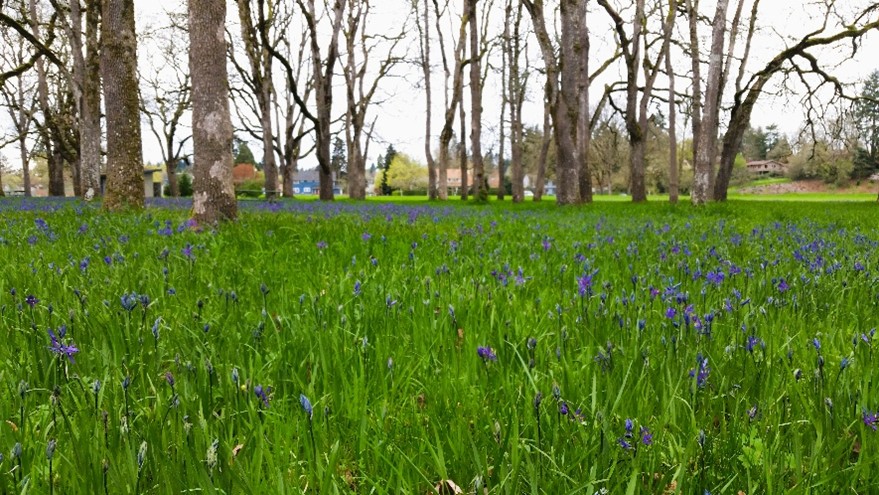
Native plants are species that evolved naturally in a specific region and have adapted over thousands of years to local climate, soils, and wildlife. In contrast to ornamental or introduced plants, native plants play a critical role in keeping ecosystems functioning. Their value goes far beyond appearance—they support biodiversity, conserve resources, and strengthen ecological resilience.
One of the most important benefits of native plants is their relationship with wildlife. Native insects, birds, and mammals rely on native plants for food, shelter, and reproduction. Many insects can only eat or lay eggs on specific native plant species. These insects, in turn, support birds and other predators. When native plants are replaced with non-native landscaping, these food webs break down, leading to declines in wildlife populations.
Native plants also require fewer inputs once established. Because they are adapted to local conditions, they generally need less irrigation, fertilizer, and pest control than non-native species. This reduces maintenance costs and lowers the amount of chemicals that enter soils and waterways. In regions like ours, that are facing water shortages and hotter, drier summers, native plants are a more practical and sustainable choice.
Another key value of native plants is their role in protecting soil and water. Deep and diverse root systems help stabilize soil, reduce erosion, and slow runoff during heavy rains. This keeps sediment and pollutants out of streams and rivers, improving water quality and protecting fish habitat. Healthy native plant communities are especially important in wetlands, forests, and along streambanks.
Finally, native plants are part of a region’s natural and cultural heritage. Indigenous peoples have relied on native plants for food, medicine, fiber, and tools for thousands of years. Using native plants in restoration and landscaping helps maintain the character of local ecosystems and supports long-term environmental health. Choosing native plants is a practical way to protect biodiversity and invest in a more resilient future.
Planting native plants in your landscape will bring native birds and pollinators to your yard, tie your landscape into the local ecosystem, and protect soils and water quality in your region. Native plants are also beautiful, diverse, and easy to grow!
About the Author

About the Author
A passion for nature has been a driving force throughout my life, thanks in part to a childhood of camping, hiking, and exploring the Pacific Northwest and beyond. I believe a healthy natural environment supports healthy individuals, families, and communities.