Golden Currant
Ribes aureum
Plant Description
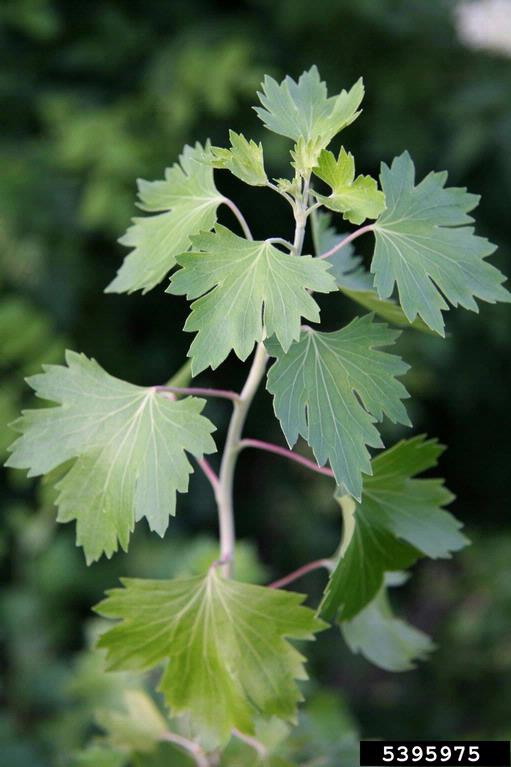
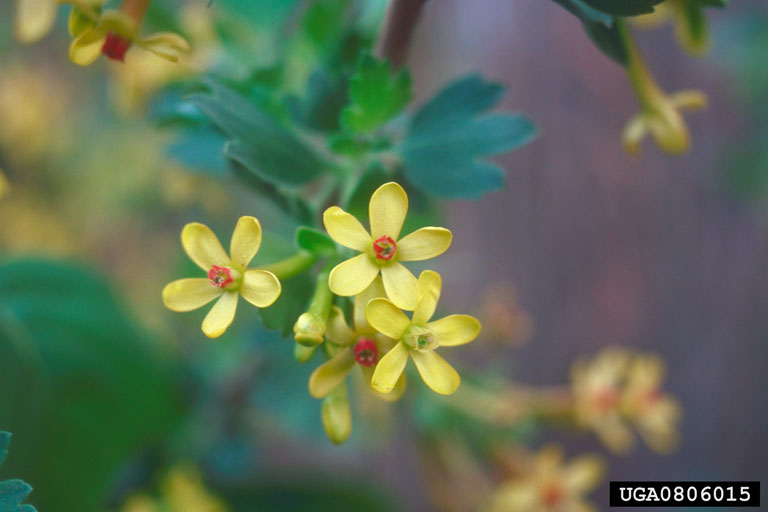
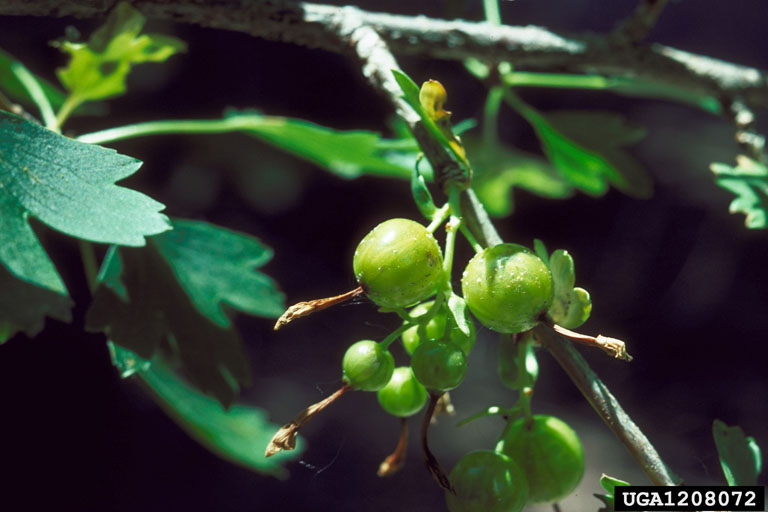
Golden currant is a deciduous shrub mostly found east of the Cascades where it commonly grows along streams, in open woodlands, and on dry slopes. It is adaptable and grows easily in drought-resilient landscapes of the Willamette Valley. Growing about 3–8 feet tall, it produces fragrant, golden-yellow tubular flowers in spring that attract hummingbirds, bees, and other pollinators. The flowers are followed by edible berries that ripen from yellow to reddish or nearly black and provide food for birds and mammals. In autumn, the leaves turn red before falling. Adaptable to a wide range of soils and tolerant of drought once established, golden currant is a useful wildlife and pollinator plant for riparian areas, woodland edges, and water-wise landscapes.
Plant Details
| Life Forms | |
|---|---|
| Habitats | |
| Soil and Moisture Conditions | |
| Special Uses | |
| Shade Preference | |
| Mature Height | 3-7' |