
Conserving, managing, and providing water is essential for supporting wildlife. This includes conserving water to maintain healthy flows in local streams and rivers for aquatic species, protecting water quality to ensure safe drinking water for all, and providing accessible water sources for terrestrial animals, especially during the summer months when water can be scarce.
Little Habitat Certification Levels
Level I: Seedling

- Choose one action item.
Level II: Seedling

- Choose two action items.
Level III: Oak

- Choose three action items.
Water Actions
Click on any action to learn more about it.
Install a Wildlife Water Feature
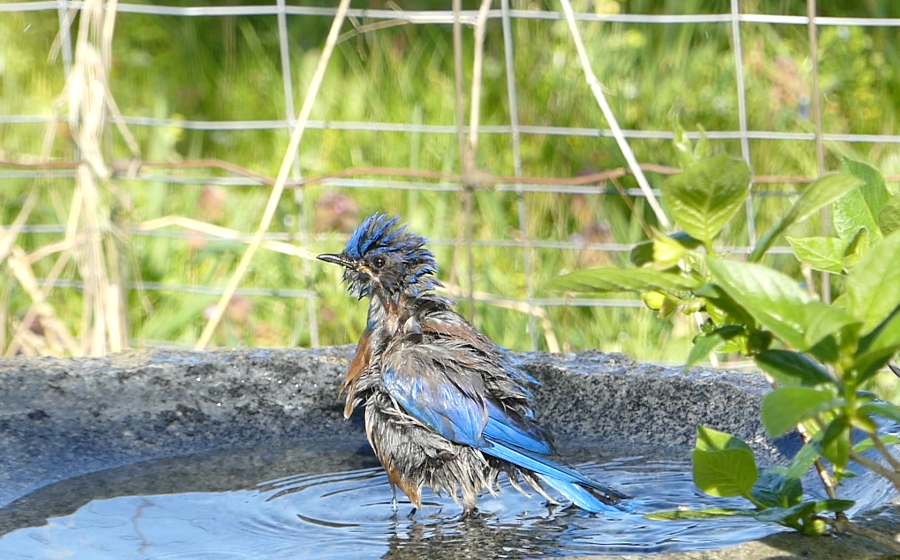
Installing a wildlife water feature such as a birdbath or bubbler can help provide a natural water source for birds and insects. When installing a water feature for wildlife, it is important to consider factors such as type of water feature, its size, location, and maintenance requirements. Proper planning and maintenance are essential to ensure that the water feature remains healthy and safe to drink. Replace the water every few days to ensure it is free of animal waste, algae, and mosquito eggs/larvae.
Install a Puddling Area
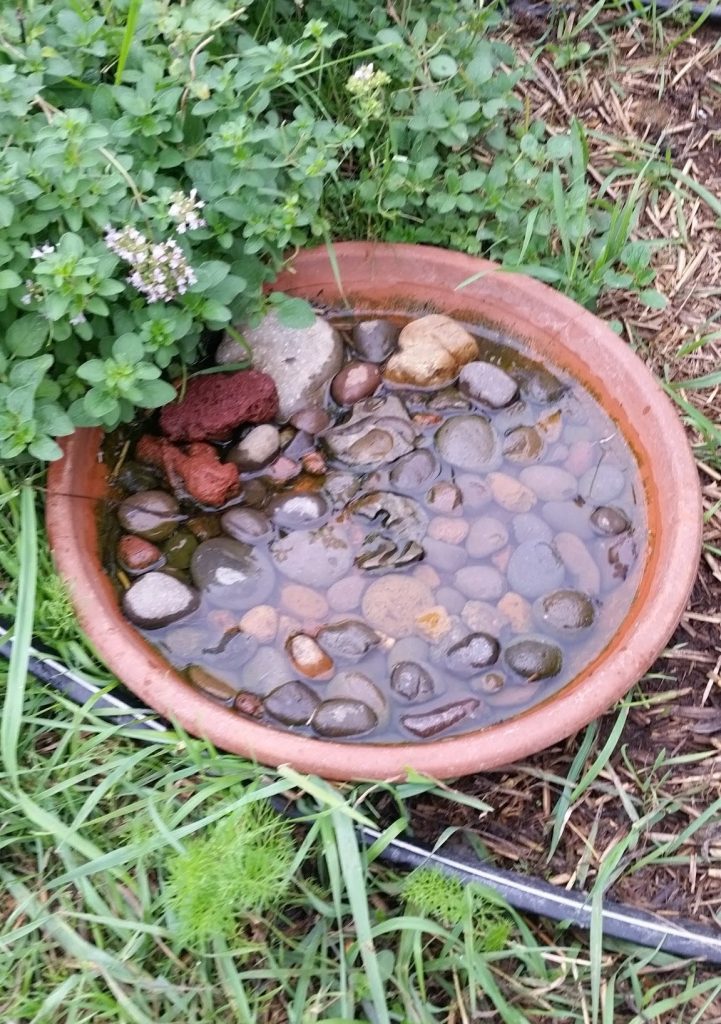
Installing a puddling area can help provide a source of moisture and essential minerals that bees, butterflies, and moths, as well as snakes and frogs depend on. This can be a shallow depression on the ground or a dish such as a terracotta plate. Keep the dish filled with fresh water and periodically replace the mineral content by adding small amounts of sand and soil. If you add sugar to the water, make sure the dish is placed on a plate of water forming a moat to avoid ants.
For More Info…
Create a Garden Pond
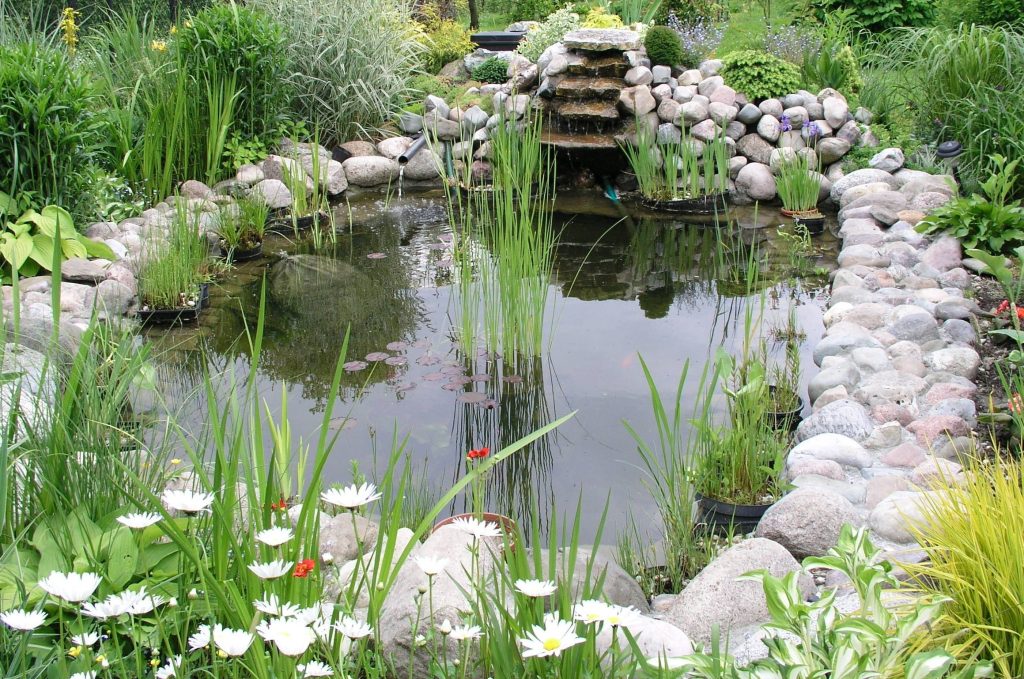
Garden ponds can support wildlife species such as dragon flies, newts, and frogs. When creating a backyard pond for wildlife, it’s important to consider factors such as size, design, plant selection, safety, maintenance, and accessibility by providing gradual edges or shallow areas to allow safe access for wildlife to enter the pond. Visit your local pond shops and garden centers to receive more advice on how to properly install a pond or work with a pond contractor directly.
Eliminate Lawn Watering
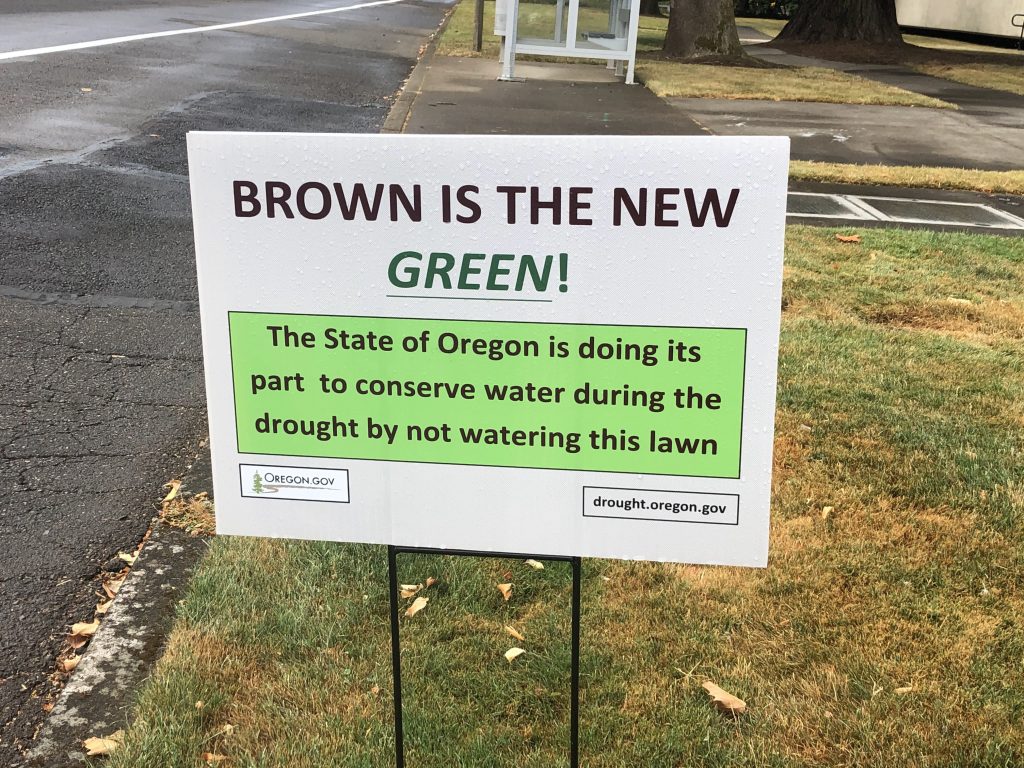
Allow the grass to go dormant during the dry months. Although it may turn brown, it will green up again as it rains in the Fall. Conservation benefits include water conservation, water cost savings, and less maintenance. You can also consider alternative landscaping practices such as xeriscaping or incorporating native plants that require less water while still enhancing aesthetic and ecological value.
For More Info…
Disconnect Downspouts (where appropriate)
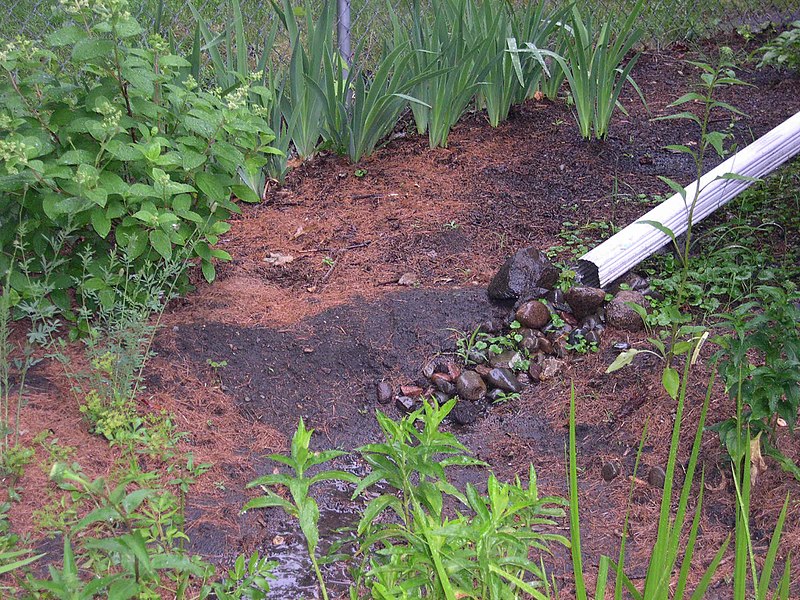
Disconnecting a downspout involves detaching it from the drainage system so that rainwater flows onto the ground instead of into storm drains. This helps increase water availability for plants and wildlife, reduces the risk of overloading sewer systems, and replenishes groundwater. It is important to direct water away from your house and neighboring properties to prevent damage. Regular inspection and maintenance of gutters and downspouts ensure proper function and protect your property from water-related issues.
For More Info…
Install a Rain Garden or Bioswale
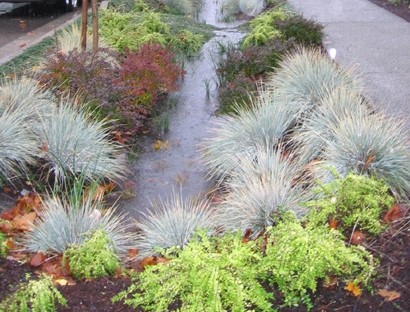
Rain gardens and bioswales are shallow, planted depressions that help absorb, filter, and reduce stormwater runoff. They provide valuable wildlife habitat, increase plant diversity, and add visual interest to the landscape. Key considerations for installation include assessing soil texture, planning plant selection and layout, accommodating overflow, ensuring long-term maintenance, and obtaining any necessary permits.
Improve Irrigation Efficiency
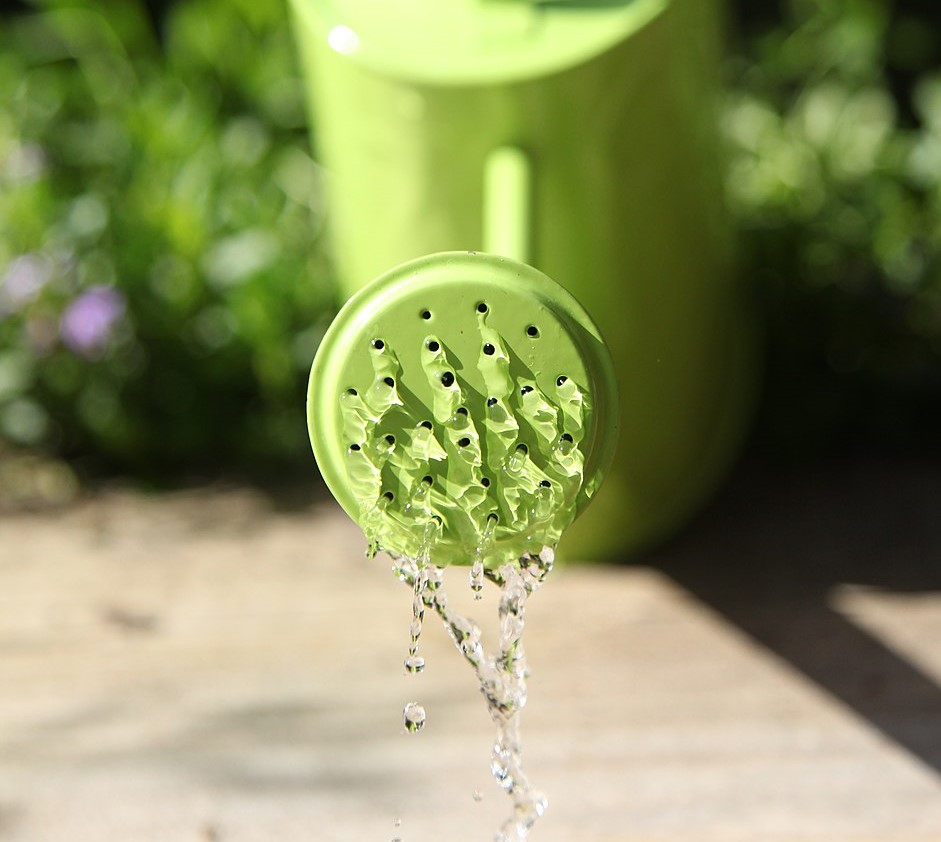
Efficient irrigation systems conserve water, supporting natural ecosystems and aquatic species. Using soaker hoses, drip systems, or hand watering reduces waste, and adjusting sprinkler heads ensures water reaches only where it’s needed. Water early in the morning or in the evening to limit evaporation, and water deeply once or twice a week to encourage strong root growth. Adjust watering frequency based on weather, and water close to the ground to reduce runoff. Tools like moisture meters and guidance from local supply stores can help optimize your system.
For More Info…
Related Resources