
Black Cottonwood
Populus trichocarpa
Plant Description
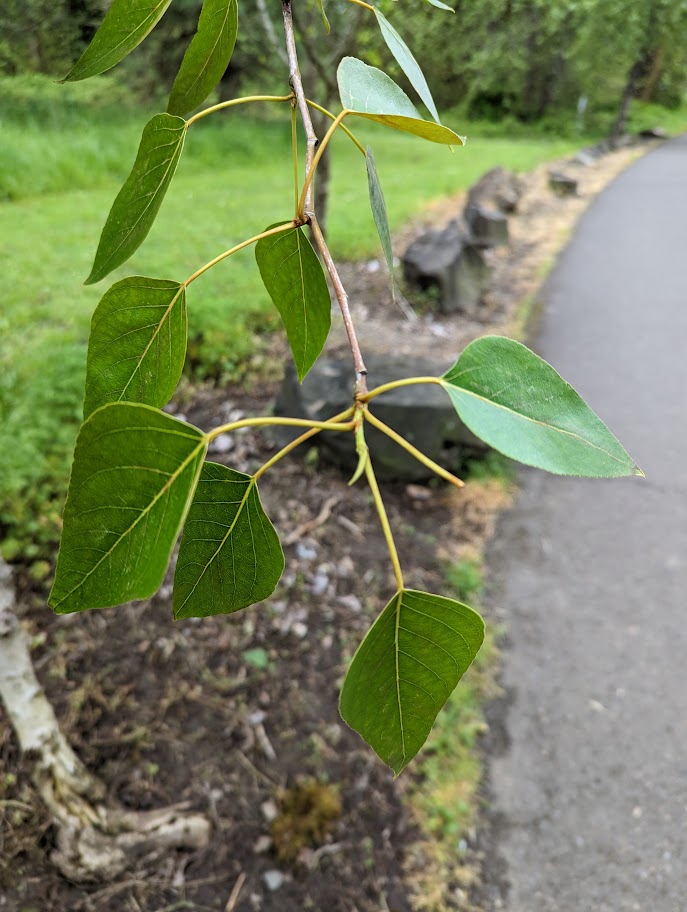
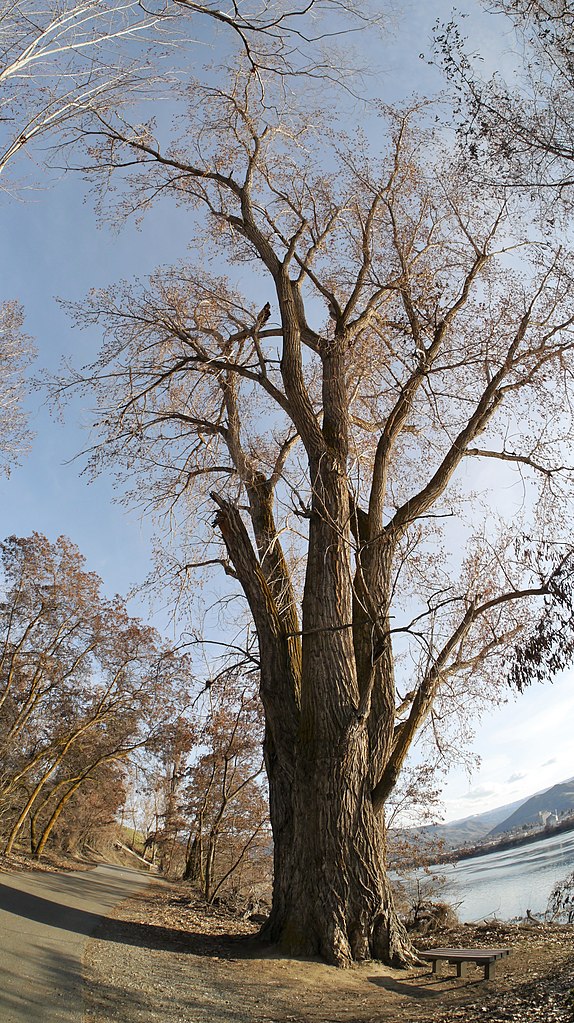
Black cottonwood is a fast-growing riparian tree native to western North America and one of the tallest broadleaf species in the region. It thrives on moist, nutrient-rich soils along rivers, floodplains, and wetlands, where it stabilizes banks and drives early-successional forest structure. The tree is easily recognized by its large, glossy, heart-shaped leaves, deeply furrowed bark on mature trunks, and sticky, aromatic buds. Black cottonwood supports extensive wildlife use—from cavity-nesters to beavers—and plays a central role in nutrient cycling as its rapidly decomposing leaf litter enriches floodplain ecosystems. Cottonwood fluff is frequently blamed for allergies, though most people are acutally allergic to pollen from other plants that is released at the same time as the fluff. It is by birds to line nests, while large raptors like eagles and osprey nest in the giant trees. Too big, fast growing, and prone to breakage to be a good choice for small yards, they are nonetheless important and impressive in natural areas.
Plant Details
| Life Forms | |
|---|---|
| Habitats | |
| Soil and Moisture Conditions | |
| Special Uses | |
| Shade Preference | |
| Mature Height | to 180’ |