Soil forms the foundation of terrestrial food webs, supporting life from the ground up. Healthy soil systems are essential for resilient habitats, providing the nutrients and structure that sustain diverse ecosystems. Achieving this requires sustainable land management practices, efforts to prevent soil erosion, and measures to minimize contamination—ensuring that soils remain rich, functional, and capable of supporting thriving wildlife populations.
Little Habitat Certification Levels
Level I: Acorn
- Level I: Choose One Action Item
Level II: Seedling
- Level II: Choose Two Action Items
Level III: Oak

- Level III: Choose Three Action Items
Soil Actions
Click on any action to learn more about it.
Add Compost
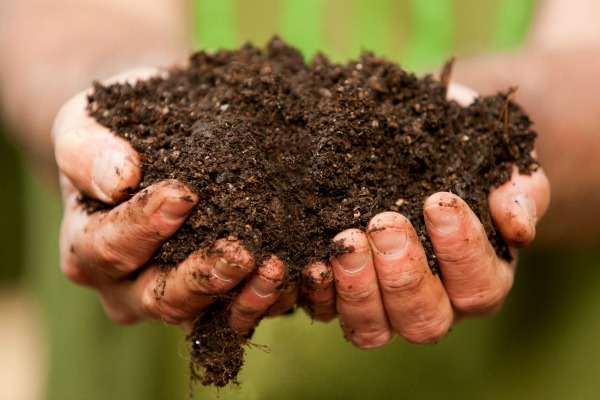
Adding compost enhances soil health by reducing erosion, improving fertility and water retention, regulating pH, and stimulating beneficial microbes and insects. It also provides food for fungi, bacteria, and earthworms, supporting a thriving soil ecosystem. Compost can be applied before planting, after harvest, or as a top dressing during the growing season, and is available in bulk or bags from local suppliers.
For More Info…
Leave the Leaves
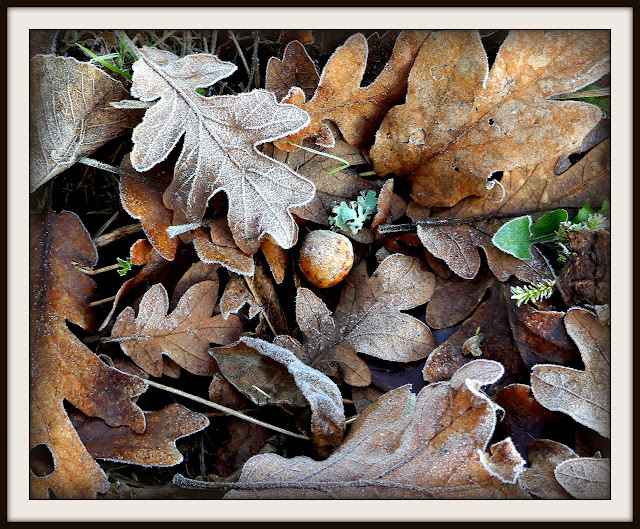
Leaving leaves on the ground or using them as mulch enhances soil and ecosystem health. They provide nutrients to support plant growth, add organic matter to improve soil structure, and stimulate microbial activity, including bacteria and fungi that drive decomposition and nutrient cycling. Leaf litter also serves as food for birds and shelter for pollinators, insects, spiders, small mammals, and amphibians, all of which play important roles in maintaining a balanced and thriving landscape.
For More Info…
Plant Cover Crops
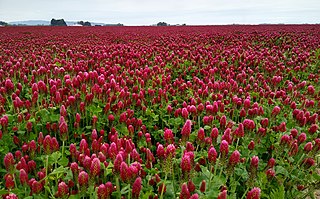
Planting cover crops enhances soil health by reducing erosion, suppressing weeds, and adding nutrients back into the soil. Many, also called green manure or living mulch, capture nitrogen from the air for plant use. Common types include legumes, such as crimson clover and peas, and grasses, like barley and rye. Winter cover crops establish best when planted between late August and early October. If not kept as permanent ground cover, they should be terminated before going to seed.
For More Info…
Add Wood Chips
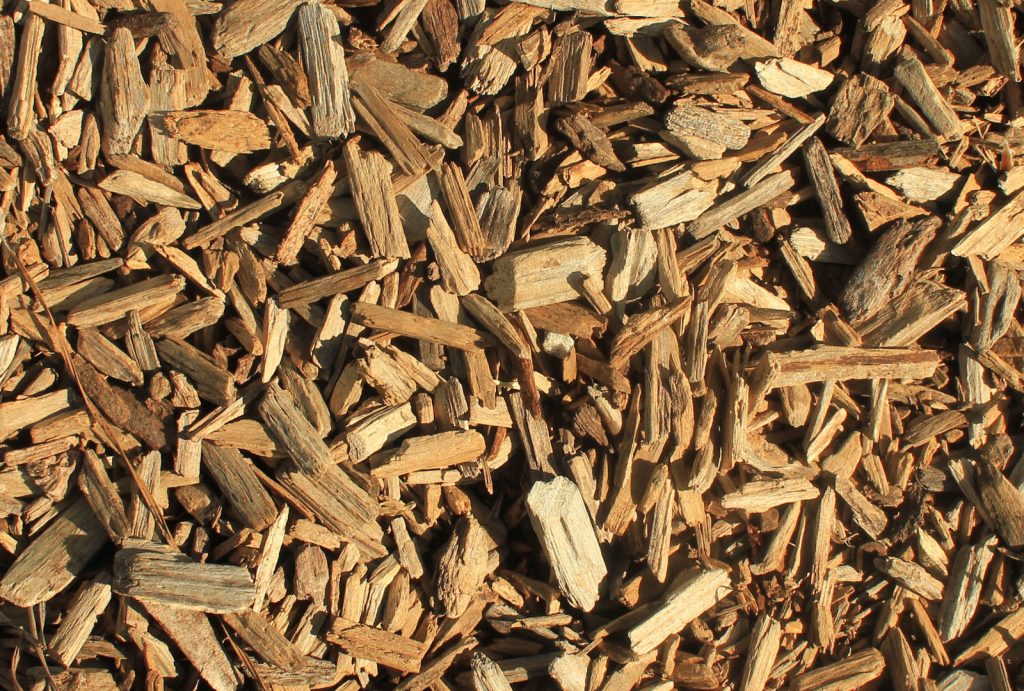
Adding woodchips to the soil increases porosity, improves water retention, and protects from weeds. Woodchips create air pockets within the soil that are important for root growth and nutrient uptake. Different sizes of woodchips can be sourced depending on the intended use. Source woodchips from landscape supply shops or local arborist companies. Avoid walnut wood chips, which deter other plants from growing. Reapply in spring and fall as needed. Leave gap around the base of trees to avoid trunk rot.
For More Info…
Construct a Compost Pile
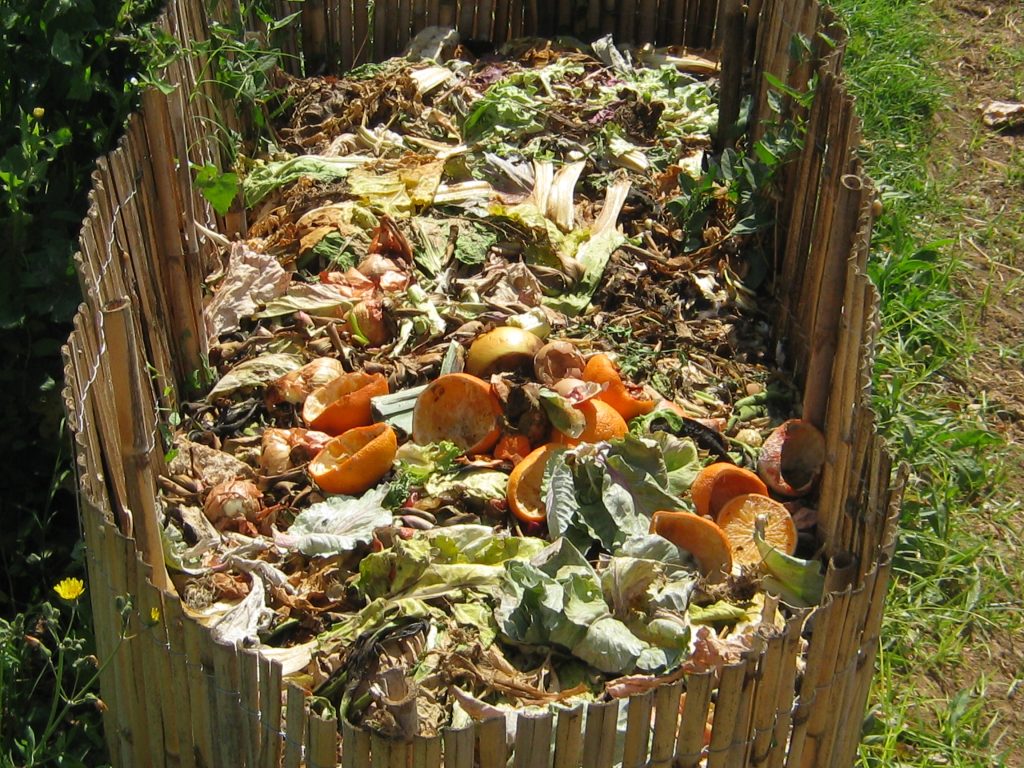
A compost pile transforms yard waste and food scraps into a dark, crumbly amendment rich in nutrients and microorganisms. To compost effectively, mix one part nitrogen-rich “greens” with two parts carbon-rich “browns” for the right balance. Composting can be active, requiring frequent turning and watering for faster results, or passive, which is less intensive and produces finished compost in 8–12 months. Avoid adding animal products, weeds, or pet waste to home compost piles.
For More Info…
Create a Vermicompost Bin
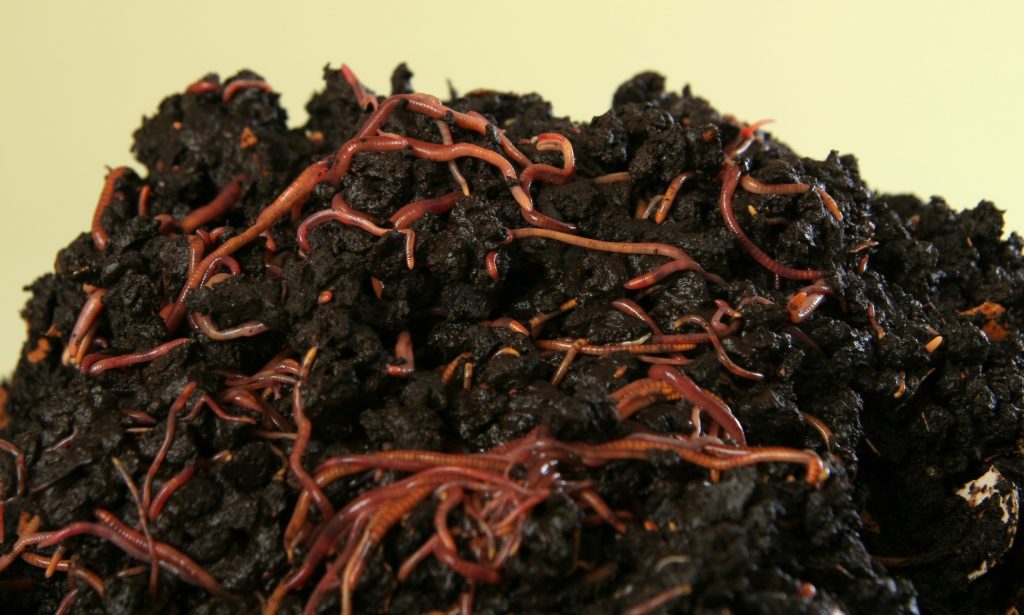
Creating a vermicompost bin turns food waste into nutrient-rich compost using earthworms. These worms break down organic matter, producing compost that improves soil structure, boosts microbial activity, and provides valuable nutrients. To set up a vermicomposting system, you’ll need a suitable container, bedding such as shredded newspaper or cardboard, composting worms (usually red wigglers), and kitchen scraps. Avoid adding animal products, dairy, oily or spicy foods, and highly acidic items like citrus.
For More Info…
Pick Up and Dispose of Pet Waste
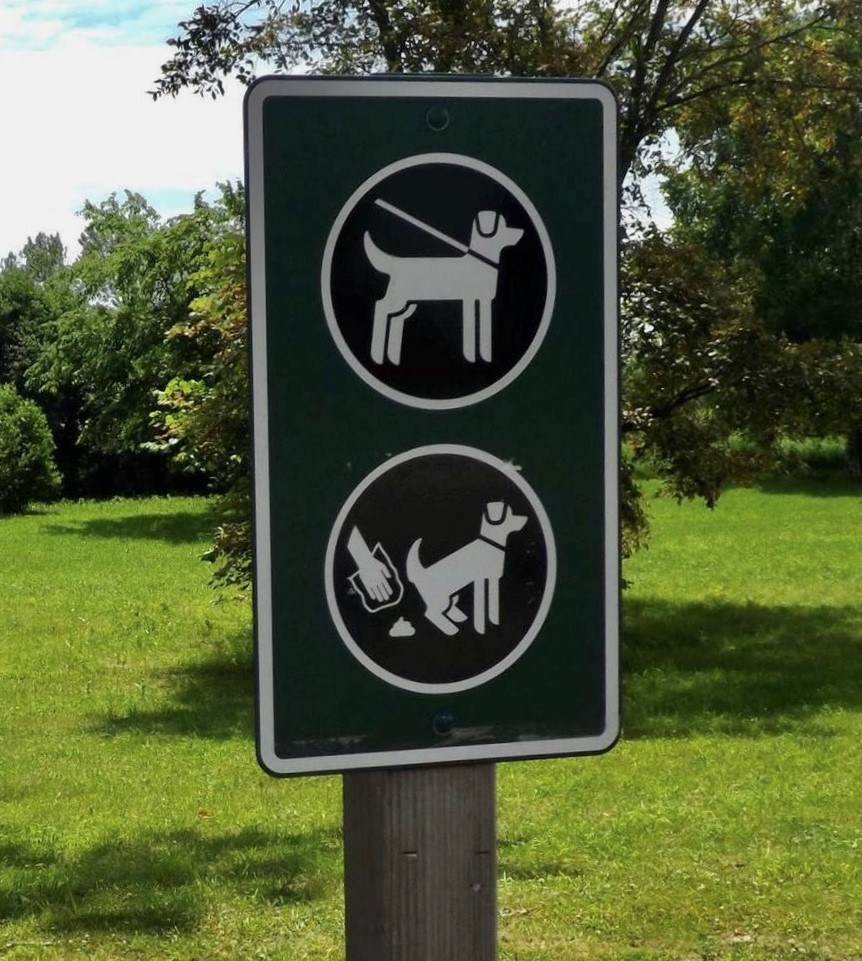
Picking up and disposing of pet waste in the trash can help reduce E. coli bacteria and parasites in the soil that can harm the environment, people, and other animals. The best disposal method is to put pet waste in a trash can to prevent it from entering local waterways. Pet waste can negatively impact water quality since it contains nutrients that cause algae blooms and wastewater treatment plants are not able to remove all pathogens. Pet waste can also make other pets sick with diseases such as parvovirus.
For More Info…
Create Bare Patches of Soil
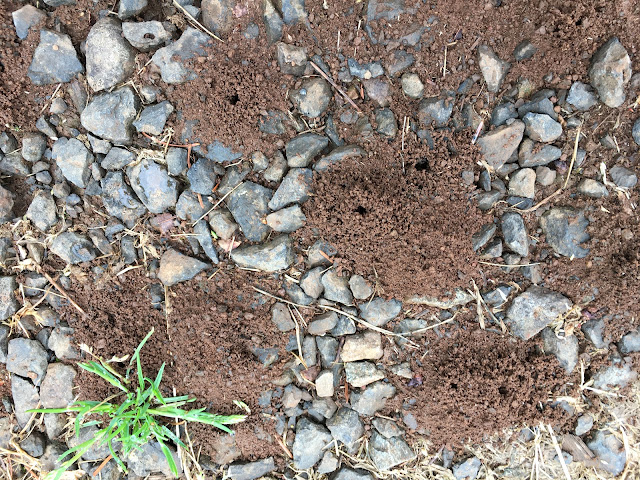
Bare patches of soil can help support ground-nesting bees. 70% of native bees nest in the ground in holes they excavate themselves. We don’t know much about where ground nesting bees like to live, but they seem to prefer sunny areas with exposed soil. To help ground-nesting bees, select a site that is open with good drainage. Clear most of the vegetation; it is okay to leave some low plants like grass to help keep soil in place. Don’t dig up the soil as bees need stable ground for nesting.
For More Info…
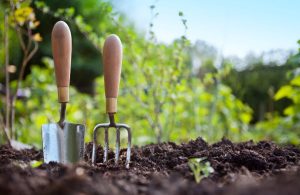
Test Your Soil
Interested in getting a soil test conducted on your own property? Check out the Analytical Laboratories Serving Oregon that offer a variety of testing options, including nutrients, contaminants, and plant analysis. Before submitting your sample, it’s a good idea to check the laboratory’s website or call them directly to clarify your testing objectives, the cost, shipping procedures, and turnaround time.
What Is My Soil Type?
Visit the web soil survey to find out how your soil is classified and what its capabilities are. Soil surveys can be used for general farm, local, and wider area planning.
Related Resources