
Early Blue Violet
Viola adunca
Plant Description
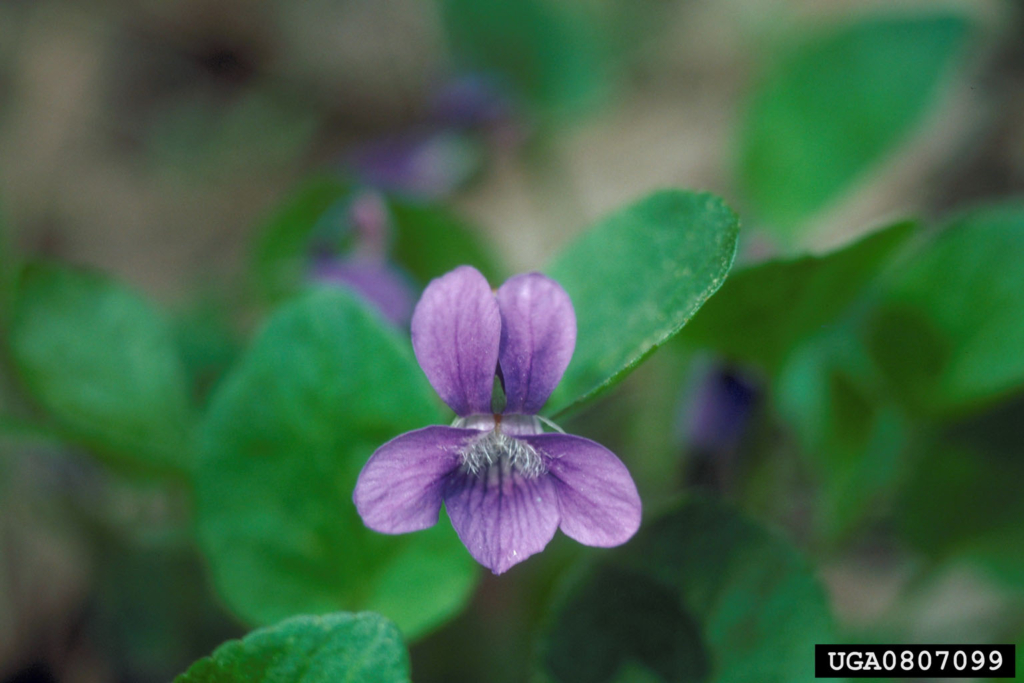
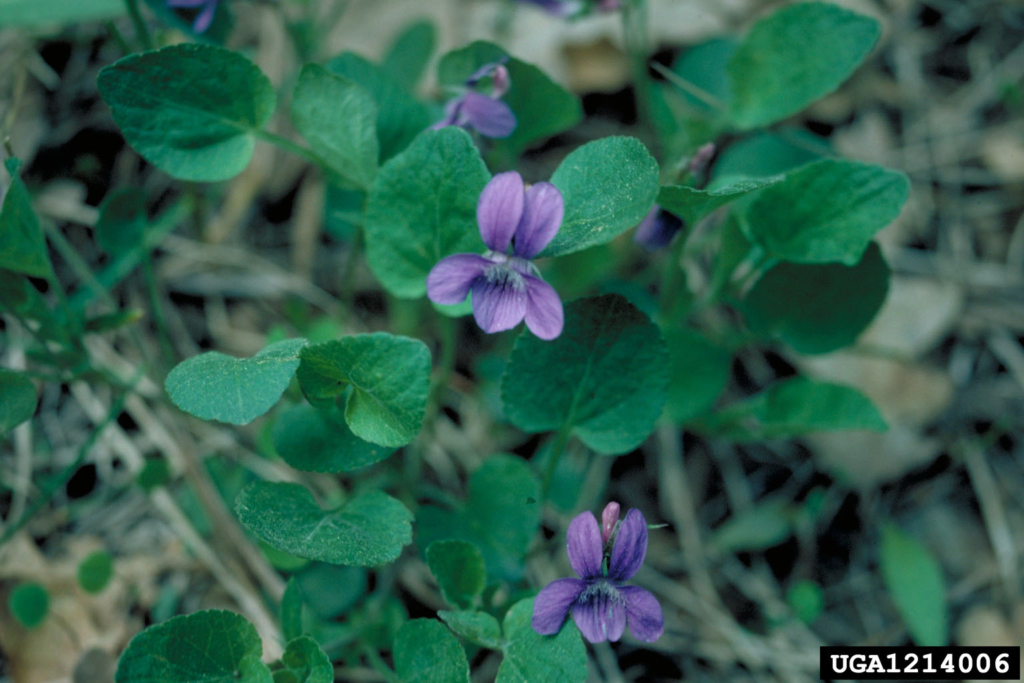
Early blue violet is a small perennial herb widely distributed across western and northern North America, thriving in meadows, open forests, coastal bluffs, and montane habitats. It is recognized by its deep purple, sweet-scented flowers and heart-shaped leaves, along with a characteristic short, hooked spur on the back of the bloom. This species is an important larval host plant for several fritillary butterflies (including the threatened Oregon silverspot, Speyeria zerene hippolyta), making it ecologically valuable in pollinator-focused restoration. Hardy and adaptable, it readily establishes in cool, well-drained soils and contributes early-season color and nectar to native plant communities. Flowers are edible and commonly used in salads and on cakes.
Plant Details
| Life Forms | |
|---|---|
| Habitats | |
| Soil and Moisture Conditions | |
| Special Uses | |
| Shade Preference | |
| Mature Height | 2-10" |