Author: Chelsea Blank (Natural Areas Conservation Planner)
Photo Credits: Chelsea Blank
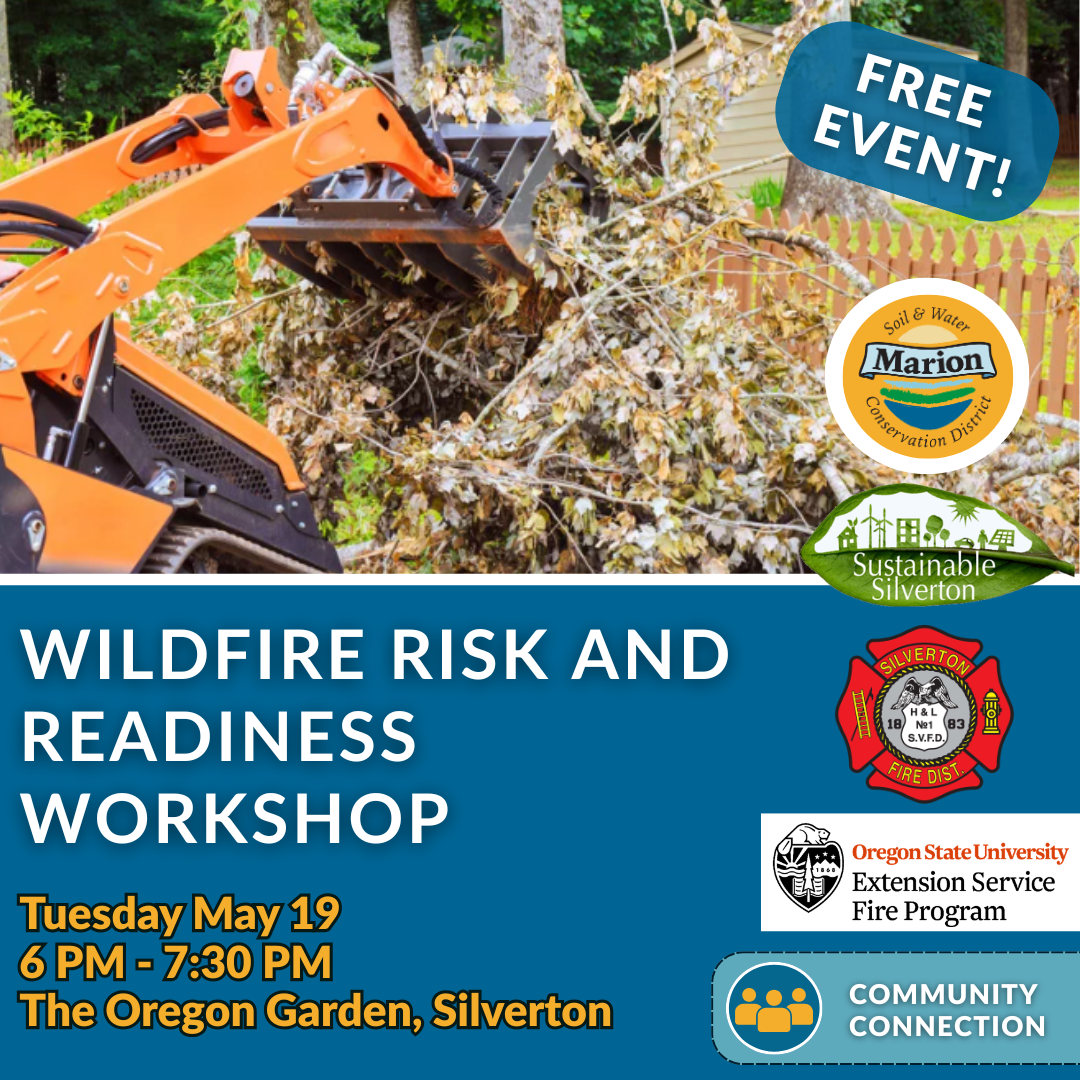
On May 19, community members gathered at the Oregon Garden to learn practical strategies for reducing wildfire risk and improving neighborhood preparedness. Hosted in partnership with Oregon State University Extension, Sustainable Silverton, the Silverton Fire District, and local preparedness advocate Garnett Cook, the event brought together residents interested in taking action before wildfire season arrives.
The evening focused on a simple but important message: wildfire preparedness starts at home, but it is most effective when neighbors work together.
Creating Defensible Space and Hardening Homes
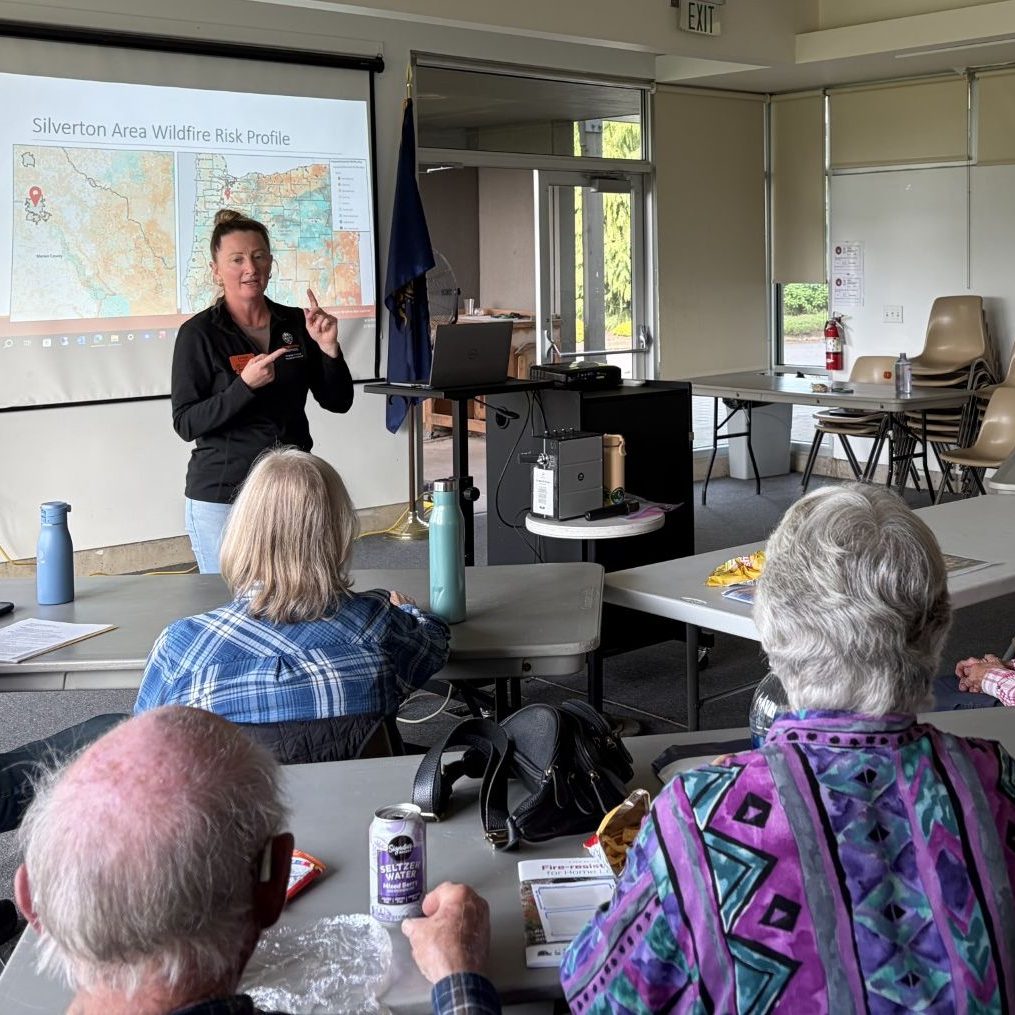
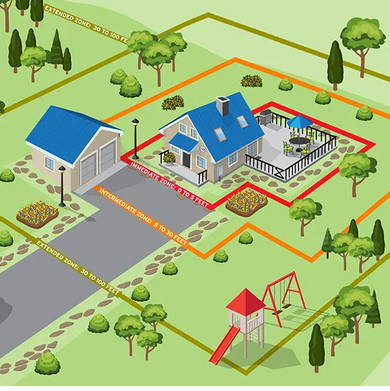
Kayla Bordelon of Oregon State University Extension shared information about defensible space and home hardening practices that can help reduce the risk of wildfire damage. Participants learned how maintaining vegetation around structures, removing combustible materials near homes, and making strategic landscaping choices can create safer conditions during a wildfire.
Kayla also discussed home hardening measures that can reduce the likelihood of embers igniting structures. These actions, ranging from maintaining roofs and gutters to screening vents and selecting fire-resistant materials, can significantly improve a home’s resilience during wildfire events.
Emergency Preparedness and Defensible Space Assessments
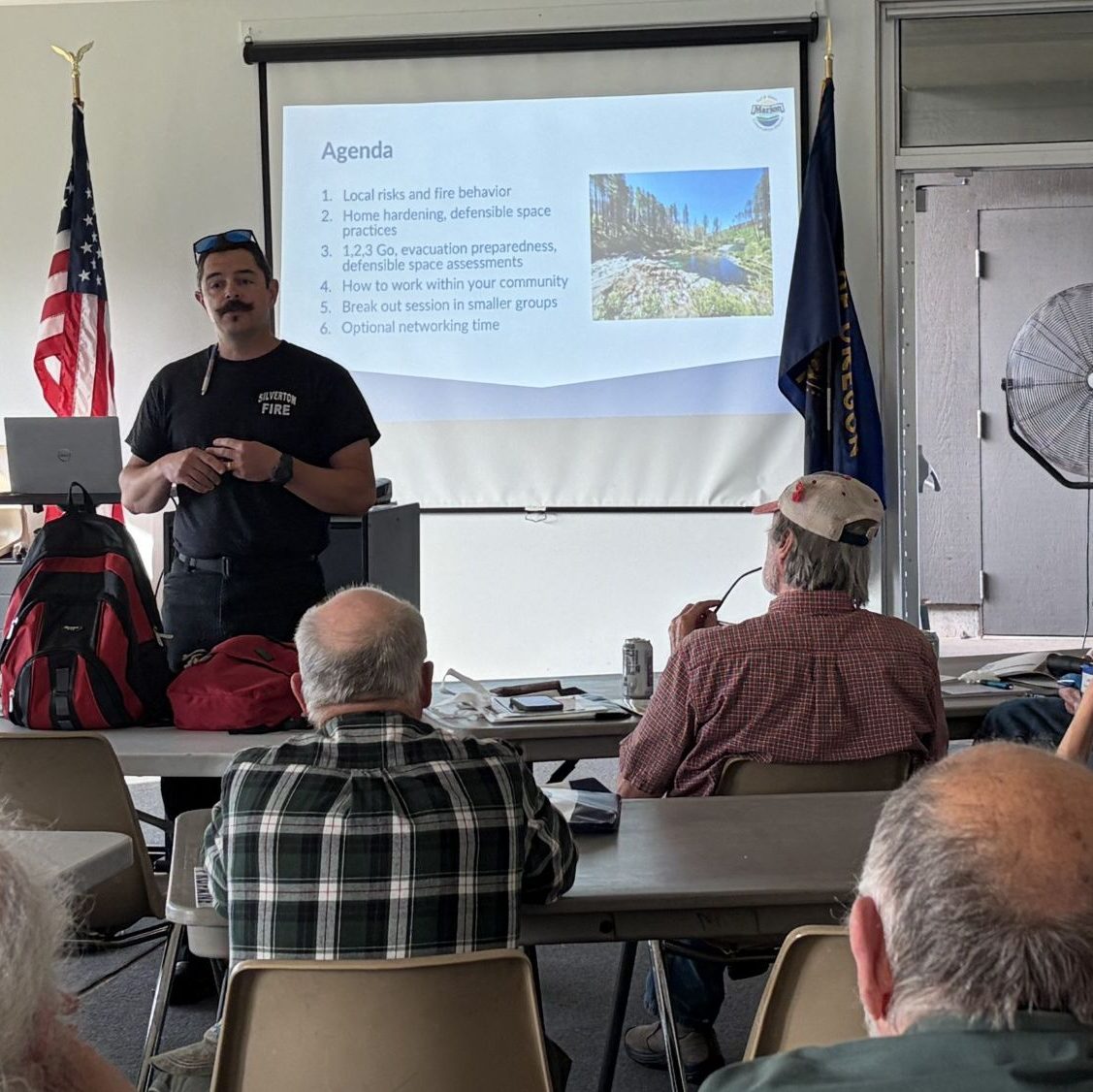
Dan Brown of the Silverton Fire District spoke about emergency preparedness and the importance of having a plan before an emergency occurs. He encouraged residents to think through evacuation routes, communication plans, and emergency supply kits so they can respond quickly when needed.
Dan also explained how the Silverton Fire District conducts defensible space assessments, providing homeowners with personalized recommendations to reduce wildfire risk around their properties. These assessments offer residents an opportunity to better understand vulnerabilities and take practical steps toward improving safety.
Strengthening Neighborhood Resilience
The conversation then shifted from individual preparedness to community action. Darrel Smith of Sustainable Silverton and Garnett Cook highlighted programs and resources that help neighbors organize and prepare together. They introduced participants to Map Your Neighborhood, a program that helps residents identify local resources, communication networks, and support systems before a disaster occurs. By knowing who may need assistance and what resources are available nearby, neighborhoods can become more resilient during emergencies.

Darrel and Garnett also discussed Firewise USA, a nationally recognized program that helps neighborhoods work collaboratively to reduce wildfire risk. Through community-driven planning and action, Firewise USA sites can strengthen local preparedness while building stronger connections among neighbors
Working Together for a Safer Future
One of the key takeaways from the evening was that wildfire preparedness is a shared responsibility. Individual actions such as creating defensible space and hardening homes are essential, but community-wide efforts can amplify those benefits and improve outcomes for everyone.
We are grateful to Kayla Bordelon, Dan Brown, Darrel Smith, and Garnett Cook for sharing their expertise and helping residents better understand how to prepare for wildfire risks. We also thank everyone who attended and contributed to the discussion.
As wildfire seasons continue to become longer and more complex, events like this provide valuable opportunities for learning, collaboration, and action. By working together, we can build a more resilient and wildfire-ready community.
Don’t Know What to Do?
Some ideas that were brainstormed during the event to encourage neighborhood wide action include:
- Host a community work day and BBQ to offer support and yard work help
- Share handouts and materials with neighbors (including multi lingual copies) to help educate about best practices and risks to be aware of.
- Set an example: show your neighbors your own defensible space project and share contacts and tips of how you did it.
- Conduct community wide defensible space assessments so multiple homes can participate and no one feels singled out.
- Make a list of neighbors who are interested in this work, and who have skills and resources to contribute to efforts. On that same note, make a list of neighbors who may need extra help or have special needs or disabilities to be aware of in case of emergency.
- Host a Go-bag assembly party
- Hire a dumpster or chipper for a weekend for neighbors to dispose of excessive yard debris and fuels from their property. This can help to share costs and make it a fun event with help from others.
- Reach out to Oregon State Fire Marshal for a free defensible space assessment.